U.S. Dollar, Safe Haven, and the Currency Case for Every Global Investor: Why USD Real Estate Is Your Most Powerful Wealth Hedge

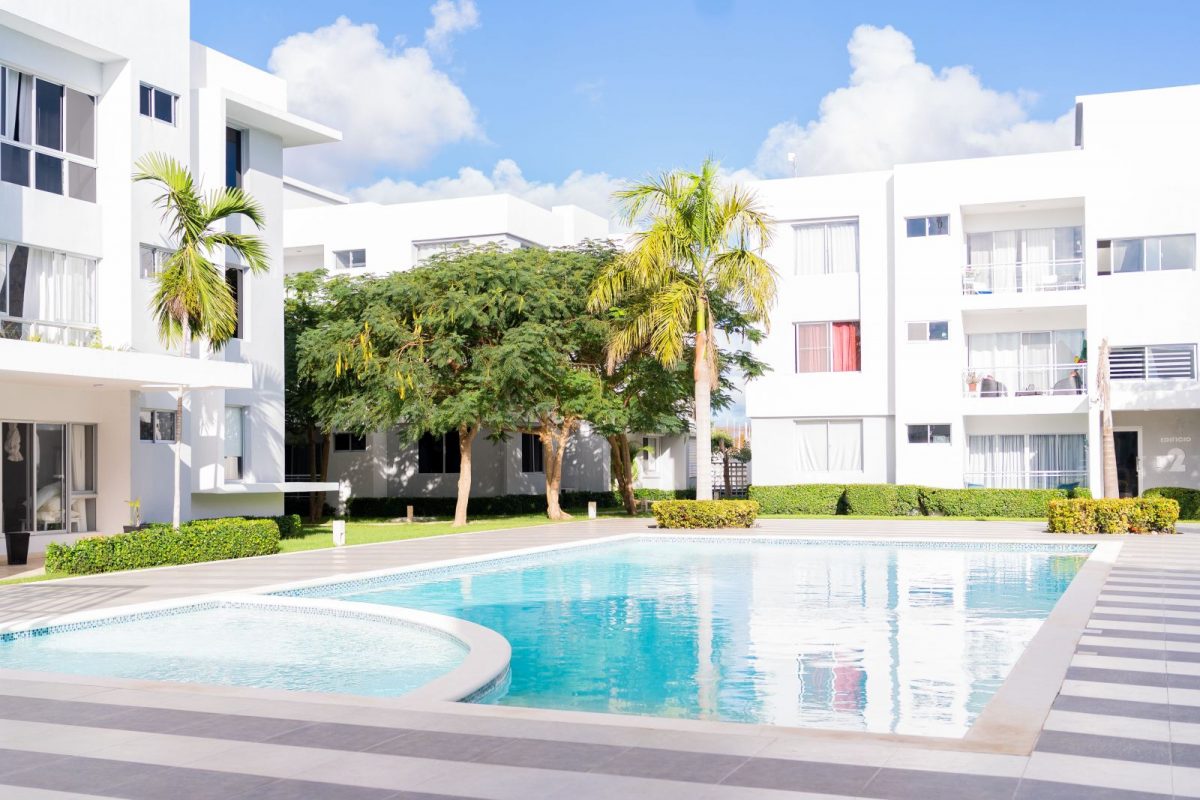
Global investor reviewing U.S. real estate, USD-denominated assets, currency diversification, and DSCR mortgage opportunities

The Reserve Currency Reality Every Investor Must Understand

Every currency in the world from the strongest Swiss franc to the most volatile emerging market peso can lose value against the US dollar. History provides endless examples. The question for any international investor holding significant wealth in a non-USD currency is not whether their currency will depreciate against the USD. It is when and by how much.

US real estate is the most powerful, legally protected, income-generating USD-denominated asset available to private investors anywhere on earth. This article makes the case not with marketing language, but with data.

The Depreciation Events That Changed Portfolios

Singapore Dollar: Steady But Never Safe From USD

SGD has been one of the world's most managed and stable currencies. Yet between 2014 and 2024, SGD weakened approximately 8% against the USD cumulatively. For a Singaporean with SGD $5 million in assets, that's SGD $400,000 in effective wealth destruction measured against USD-denominated purchasing power.

The Singaporean investor who held $1 million in US real estate during the same period received:

  • 8% currency appreciation in SGD terms: SGD $80,000 bonus
  • Property appreciation (Miami example, 7% CAGR): $1M → $1.97M
  • Total SGD-equivalent return premium vs. SGD assets: Substantial

British Pound: The Brexit Lesson

On June 23, 2016, the UK voted for Brexit. The pound fell 13% against the USD overnight, the largest single-day currency move in modern UK history. UK investors holding US real estate woke up 13% wealthier in GBP terms on June 24.

GBP has never fully recovered to pre-Brexit levels. UK investors with US real estate exposure received a permanent windfall from the currency shift.

Australian Dollar: The COVID-19 Test

In March 2020, at the height of COVID-19 market panic, AUD fell to $0.55 against USD, a 15% decline from $0.65 in two months. Australian investors with US real estate saw their USD assets appreciate 15% in AUD terms during the crisis exactly when they needed stability most.

Indian Rupee: The Persistent Decline

INR has declined from approximately 45 INR/USD in 2010 to approximately 83 INR/USD in 2025 a 45% depreciation over 15 years. An Indian investor who purchased $500,000 in US real estate in 2010 has seen the INR value of that holding increase from INR 22.5 million to INR 41.5 million purely from currency movement, before any property appreciation.

The USD's Structural Durability

Critics periodically announce the end of USD dominance. The reality of 2026:

  • 58% of global FX reserves held in USD (BIS 2025)
  • All major commodity markets (oil, gold, copper, wheat) priced in USD
  • Global trade finance predominantly USD-denominated
  • US Treasuries remain the world's primary risk-free asset
  • The US economy at $28 trillion remains the world's largest by GDP

No alternative reserve currency, not EUR, CNY, or a hypothetical BRICS currency has achieved the institutional depth, legal framework, or market trust required to displace the USD. The USD's reserve status is structural, not cyclical.

For investors holding USD-denominated US real estate: this structural position is your tailwind.

The Fixed-Rate DSCR Loan: The Currency Hedge Multiplier

Here is the most sophisticated dimension of the US real estate currency hedge story:

When an international investor takes a 30-year fixed-rate DSCR loan at 7.25% in USD:

  1. Their financing cost is fixed in USD for 30 years
  2. Their rental income is in USD matching their financing currency (no mismatch)
  3. Their property equity is in USD appreciating at historical 4–7% CAGR
  4. When their home currency weakens against USD (as all currencies eventually do), their USD income stream becomes more valuable in home currency terms
  5. Their USD equity position becomes a larger portion of their total wealth automatically rebalancing toward USD exposure when they need it most

This is a multi-dimensional hedge: against home currency weakness, against domestic political risk, and against the limitations of any single-market wealth concentration.

The Financing Section: DSCR Loans as the USD Wealth-Building Vehicle

America Mortgages provides the financing infrastructure that makes this USD wealth strategy accessible to investors worldwide:

For every $100,000 invested (20% down at 80% LTV):

  • You control a $500,000 US real estate asset
  • The asset generates USD rental income servicing its own USD debt
  • You have $400,000 in USD debt that inflates away over time
  • You have $100,000 in initial USD equity growing at 4–7% annually
  • The leverage ratio (5:1) amplifies every dollar of appreciation and income

At $100,000 minimum loan meaning $25,000 down payment controls a $125,000 asset:

Even the most accessible entry point provides the same structural currency hedge at a scale appropriate for a wide range of international investors.

America Mortgages' specific terms:

  • $100,000 minimum loan
  • 80% LTV maximum
  • No US credit required
  • No US income documentation
  • 30-year fixed rate locking USD financing cost for three decades
  • Available to all nationalities across 57 countries

The One Portfolio Allocation Every Sophisticated International Investor Should Make

Every institutional portfolio manager in the world holds some allocation to USD-denominated assets. The most sophisticated individuals do too.

US real estate is the private investor's institutional-grade USD allocation combining:

  • Hard asset protection (inflation hedge)
  • USD denomination (currency hedge)
  • Rental income (yield)
  • Leverage (DSCR financing)
  • Appreciation (long-term capital growth)
  • Legal protection (constitutional property rights)

The question is not whether to hold US real estate. The question is how much, in which market, with what financing structure.

America Mortgages answers all three from $25,000 in initial capital, from any country on earth, with the most competitive programs available to any international investor.

Frequently Asked Questions

Q1: Is USD guaranteed to remain the reserve currency?

A: No guarantee exists in finance. But USD's structural position, 80 years of reserve currency status, $28T economy, deepest capital markets, and military global presence has never been stronger relative to alternatives. The risk of USD displacement in the next 10–20 years is considered extremely low by every major institutional investor.

Q2: Should I hedge my USD real estate exposure back to my home currency?

A: Most investors do not because the USD exposure is the hedge. Converting USD income back to your home currency eliminates the very diversification benefit the investment provides. Work with an FX specialist for your specific situation.

Q3: What if the USD weakens when I want to sell?

A: USD weakness creates USD-denominated US real estate discounts for buyers in stronger currencies which historically increases international demand and supports prices. Moreover, a long-term hold strategy minimises exposure to any single exchange rate moment.

Contact America Mortgages

Website: AmericaMortgages.com | GMG.asia
US: +1 830-217-6608
Singapore: +65 8430-1541
Email: [email protected]
Call: +1 (845) 583-0830

The Short-Term Rental (Airbnb) DSCR Loan Guide for International Investors: From Miami Beach to Nashville, Scottsdale to Hawaii

International investor reviewing Airbnb investment properties, short-term rental income, and DSCR mortgage financing in the United States

The Yield Premium That Changes the Investment Math

Long-term rental DSCR in Memphis: 9–12% gross.

Short-term rental DSCR in Nashville: 12–18% gross.

Short-term rental DSCR in Miami Beach: 14–22% gross.

Short-term rental DSCR in Scottsdale: 12–17% gross (peak season premium).

The short-term rental model Airbnb, VRBO, and professional vacation rental management transforms already-compelling US rental yields into extraordinary income streams that no other global real estate market can match.

For international investors, the STR model offers something additional: flexibility of personal use. Unlike a long-term leased property, a professionally managed STR can be blocked for the owner's personal use during visits. Your investment property becomes your American holiday home during the periods you choose.

How STR DSCR Loans Work: The Qualification Difference

Standard DSCR loans use long-term market rent (from the property appraiser's rent schedule) to calculate the DSCR ratio.

STR DSCR loans use projected short-term rental income from one of two sources:

AirDNA market data: AirDNA is the industry-standard analytics platform providing average nightly rates, occupancy rates, and annual revenue projections for every US zip code. A STR-specific DSCR underwriter uses AirDNA to project the property's annual STR income as a substitute for long-term rent.

Historical STR income: For properties already operating as Airbnb/VRBO, 12 months of documented STR income (platform earnings reports + bank deposit statements) provides the actual income history for DSCR calculation.

Why this matters: A Nashville property with a long-term market rent of $2,200/month may generate $4,800/month in STR income during peak festival season and $3,200/month on an annualised basis. The STR DSCR qualification uses the $3,200 figure, nearly doubling the qualifying DSCR ratio and enabling higher LTV or better terms.

STR DSCR Program Parameters at America Mortgages

  • Minimum loan: $100,000
  • Maximum LTV: 75–80% (slightly lower on some STR programs vs. long-term rental DSCR)
  • Income qualification: AirDNA market data or 12 months historical STR income
  • Rate: From 7.25% (slightly above LTR DSCR; reflecting STR income variability)
  • Reserve requirement: 9–12 months (higher than LTR due to seasonality)
  • Eligibility: Available to both foreign nationals and US domestic investors
  • Property type: Single-family, condominiums (must allow STR per HOA — verified before application)
  • No US credit required: International investors fully eligible

The Best STR Markets in 2026: Ranked for International Investors

#1: Nashville, Tennessee

Nashville is the undisputed #1 STR market in the US for 2026.

The data:

  • Annual visitors: 16.5 million in 2025
  • Bachelorette/bachelor party capital of the US: Year-round demand
  • Average STR occupancy: 76–83%
  • Average nightly rate (3-bed house): $280–$420
  • Annual gross revenue (3-bed, prime location): $78,000–$130,000
  • Property cost (investment grade, 3-bed): $320,000–$480,000
  • Gross STR yield: 16–27%

For an international investor at 80% LTV ($256,000–$384,000 loan at 7.25%): Monthly PITIA approximately $1,750–$2,620. Monthly STR income (annualised): $6,500–$10,800. DSCR: 3.2–4.1. Extraordinary.

#2: Miami Beach, Florida

Miami Beach generates some of the highest absolute STR income in the US. South Beach and Mid-Beach condominiums with ocean views command premium nightly rates year-round from domestic and international guests.

  • 1-bedroom South Beach condo: $380,000–$550,000
  • Average STR nightly rate: $200–$350
  • Occupancy: 75–82%
  • Annual gross revenue: $54,000–$105,000
  • Gross STR yield: 13–22%

STR permits required in Miami Beach verify permit status before purchase. America Mortgages advises on STR permit status by property address.

#3: Scottsdale, Arizona

Scottsdale's upscale resort market draws luxury winter visitors from the US, Canada, and internationally (particularly UK and European visitors seeking US sun during northern hemisphere winter).

  • 3-bed luxury home near Old Town or resort corridor: $600,000–$900,000
  • Peak season (November–April) nightly rate: $350–$650
  • Occupancy across the full year: 65–72%
  • Annual gross revenue: $85,000–$170,000
  • Gross STR yield: 13–19%

#4: New Orleans, Louisiana

New Orleans' Mardi Gras, Jazz Fest, and year-round festival culture creates remarkably consistent STR demand. The historic Garden District and French Quarter proximity commands premium rates.

  • 2-bed historic shotgun house near major attractions: $280,000–$400,000
  • Average STR nightly rate: $180–$280
  • Occupancy: 72–79%
  • Annual gross revenue: $47,000–$81,000
  • Gross STR yield: 14–22%

#5: Savannah, Georgia

Savannah's historic district is an underrated STR gem. Lower entry prices than Miami or Scottsdale, beautiful Antebellum architecture, and year-round tourism driven by its status as one of the US's most beautiful historic cities.

  • 2-bed historic home, downtown: $350,000–$550,000
  • Annual gross STR revenue: $55,000–$95,000
  • Gross STR yield: 14–18%

#6: Mountain Resort Markets (Aspen, Vail, Park City, Breckenridge)

Mountain resort properties offer the highest absolute nightly rates in the US STR market peak ski season rates of $500–$3,000+ per night for premium properties. Seasonality is more pronounced, but gross yields remain extraordinary.

  • Aspen 3-bed condo (ski-in/ski-out): $2.5M–$8M+. Peak week rate: $5,000–$15,000/night. Niche but exceptional for HNW investors.
  • Park City, Utah 3-bed: $1.2M–$2.5M. Annual gross: $200,000–$400,000. Yield: 14–18%.
  • Breckenridge 2-bed condo: $600,000–$900,000. Annual gross: $85,000–$140,000. Yield: 13–17%.

Note: Mountain resort STR programs have higher entry costs. America Mortgages bridges the gap between acquisition speed and DSCR refinancing for resort market investors.

STR Regulatory Navigation: The Must-Know Before You Invest

Not all US markets allow short-term rentals freely. Before any STR-intended purchase:

STR-friendly (verified 2026):

Nashville, Scottsdale, New Orleans, Savannah, Memphis (most zones), Jacksonville FL, San Antonio TX, Colorado resort markets (Breckenridge, Steamboat Springs, Vail with registration), Tennessee generally.

Restricted/Verify carefully:

New York City: 30-day minimum for unhosted rentals (effectively bans most STR).

Los Angeles: Primary residence requirement for STR license (owners must live there).

San Francisco: Primary residence requirement, strict permit limits.

Santa Monica, CA: Very limited STR allowance.

Miami Beach: STR permitted with annual permit in most zones. Verify specific address.

America Mortgages pre-screens STR regulatory status for every target market before processing an STR DSCR application preventing investors from financing a property in a market where the STR strategy is legally unavailable.

The STR Management Stack for Remote International Investors

Running a successful US STR from Singapore, London, or Dubai requires the right infrastructure:

Tier 1 Property Management: Full-service STR management companies (Vacasa, Turnkey, or local specialists) handle listing, guest communication, cleaning coordination, maintenance, and dynamic pricing for 20–30% of gross revenue.

Tier 2 Dynamic Pricing: PriceLabs or Wheelhouse automatically adjust nightly rates based on local demand signals, events calendars, and competitor pricing. Critical for maximising revenue.

Tier 3 Channel Management: Hospitable or Guesty sync your listing across Airbnb, VRBO, Booking.com, and direct booking channels simultaneously.

With this stack in place, a Singapore-based investor owns a Nashville Airbnb with less daily oversight than a traditionally managed long-term rental property.

Frequently Asked Questions

Q1: Can I use AirDNA projections if the property has never been an Airbnb?

A: Yes. AirDNA market data for your specific property address can be used for DSCR qualification without any existing STR history.

Q2: Is there a minimum historical STR income period needed?

A: For historical income documentation, most programs require 12 months of STR income statements. For new STR acquisitions, AirDNA projections substitute.

Q3: What is the STR permit situation in Nashville specifically?

A: Nashville requires an owner-occupancy license for owner-present STRs and a non-owner-occupancy license for non-resident investors. The non-owner license requires a community impact statement and is subject to a cap system. America Mortgages advises on current permit availability by property address before application.

Contact America Mortgages

Website: AmericaMortgages.com | GMG.asia
US: +1 830-217-6608
Singapore: +65 8430-1541
Email: [email protected]
Call: +1 (845) 583-0830

What Is a Special Situations Loan? A Corporate Finance Guide for Asia Pacific Business Owners

Business owners and finance executives reviewing complex financing structures for a special situations loan in Asia Pacific.

Private credit solutions for transactions that fall outside every standard lending template and why Asia Pacific's mid-market produces more of them than any other region.

Published by

Donald Klip  |  Co-Founder, Global Mortgage Group  |  Head, GMG Capital Advisory

30 years of institutional finance. Former hedge fund founder. Senior roles at top global investment banks. GMG Capital Advisory arranges private credit and special situations finance of $10M–$100M for operating companies across Asia Pacific.

[email protected]   |   +65 9773 0273   |   Singapore · Hong Kong   |   Asia-Pacific  

A special situations loan is a corporate debt facility arranged for a business in circumstances that conventional bank lending cannot accommodate. Not because the business is failing. Not because the deal is too risky. But because the transaction falls outside the standardised templates that banks use to approve and process credit.

A special situations loan is not a loan for broken companies. It is a loan for complex situations that banks are not built to handle. 

What Makes a Situation 'Special'?

Time pressure: A corporate transaction with a hard deadline that a bank's 8–14 week credit process cannot meet.

Complex ownership or corporate structure: Businesses with multi-jurisdiction holding structures, cross-border operating subsidiaries, or unconventional shareholder arrangements.

Non-standard collateral: Transactions secured by assets that banks cannot or will not accept operating cash flows, project revenues, specialist equipment, intellectual property, or offshore-held assets.

Sector restrictions: Banks maintain growing lists of restricted sectors. A business in hospitality, energy, or cross-border manufacturing may face a sector-level policy regardless of individual deal quality.

Distress or time-critical refinancing: A business facing a debt maturity, covenant breach, or facility withdrawal requiring rapid replacement.

Bridge to a future event: A financing need that exists only until a specific future event: an asset sale, equity raise, or regulatory approval.

Turnaround and recovery: A business emerging from underperformance that cannot yet satisfy bank backward-looking criteria despite a credible forward case.

Special Situations in Asia Pacific: Why This Market Generates So Many

Cross-border complexity: Operating companies spanning multiple jurisdictions create structures that no single bank can underwrite consistently.

Foreign ownership restrictions: Multiple markets impose restrictions that banks treat as a risk multiplier. Private credit lenders with regional expertise can structure around these.

Bank sector exclusions: Growing excluded sector lists affect businesses regardless of individual credit quality.

Family business succession: Asia Pacific has a large population of family-owned businesses undergoing ownership transitions that banks are not structurally equipped to handle.

Infrastructure and project finance gaps: Data centres, power generation, renewables, and logistics generate project-level financing needs between institutional project finance and conventional corporate lending.

Common Special Situations Structures

Senior secured bridge: Short-term facility (12–24 months) secured against identifiable assets, structured around a defined repayment event. The most common special situations structure in the region.

Unitranche: A blended facility combining senior and subordinated debt. Simpler to execute than traditional leveraged structures. Well-suited to mid-market acquisitions and MBOs.

Asset-backed term loan: Medium-term facility (2–4 years) secured primarily against specific assets.

Cash flow-based lending: Facilities sized around EBITDA and free cash flow rather than hard asset collateral. Available for strongly cash-generative businesses.

Mezzanine: Subordinated debt behind senior facilities. Higher yield, more flexible covenants, often used alongside senior debt in acquisitions or recapitalisations.

Collateral in Special Situations Finance

Private credit lenders assess the totality of the security package, not individual line items. Real property across multiple jurisdictions, operating business cash flows, specialist equipment, trade receivables, intellectual property, personal guarantees from HNWI business owners, and offshore-held assets can all be incorporated into a coherent security structure. A transaction combining real property, contracted revenues, personal guarantee, and strong business cash flow can access significantly better terms than the sum of its parts might suggest.

About GMG Capital Advisory

Donald Klip  |  Co-Founder, Global Mortgage Group  |  Head, GMG Capital Advisory

Donald Klip has 30 years of institutional finance experience spanning hedge fund management and senior roles at the world’s top global investment banks. GMG Capital Advisory specialises in arranging and structuring corporate debt financing of $10M–$100M for operating companies, asset owners, and project sponsors where conventional bank lending is unavailable, insufficient, or too slow. We operate across 23+ jurisdictions in Asia Pacific.

www.gmg.asia   |   [email protected]   |   +65 9773 0273   |   Singapore · Hong Kong 

The Debt Desk

Corporate private credit intelligence for Asia Pacific’s $10M–$100M middle market. Published by GMG Capital Advisory. Part of the Private Credit Asia content series.

www.gmg.asia   |   Read all 41 articles in the series

Alternative Corporate Finance in Asia Pacific: Every Option Your Bank Doesn’t Tell You About

Business leaders evaluating multiple non-bank financing options including private credit, asset-based lending, and mezzanine finance across Asia Pacific.

A comprehensive guide to the full landscape of non-bank corporate finance solutions available to operating companies across Asia Pacific.

Published by

Donald Klip  |  Co-Founder, Global Mortgage Group  |  Head, GMG Capital Advisory

30 years of institutional finance. Former hedge fund founder. Senior roles at top global investment banks. GMG Capital Advisory arranges private credit and special situations finance of $10M–$100M for operating companies across Asia Pacific.

[email protected]   |   +65 9773 0273   |   Singapore · Hong Kong   |   Asia-Pacific  

When a bank says no, the conversation does not end. The capital market is significantly broader than the banking system, and operating companies across Asia Pacific have access to a wider range of financing solutions than most CFOs and business owners have been told about.

The banking system is one financing channel among many. The CFO who understands all the channels has a significant advantage over the one who only knows one. 

Private Credit: The Primary Alternative

Private credit corporate debt arranged through non-bank lenders including private debt funds, family offices, and specialist finance firms is the most comprehensive and flexible alternative to bank lending for mid-market operating companies. It covers the broadest range of transaction types, deal sizes, industries, and structures of any single alternative financing category. It is covered in depth throughout this series.

Asset-Based Lending (ABL)

Receivables financing: Credit advanced against outstanding trade receivables. The facility grows and shrinks with the business's receivables book, making it well-suited to seasonal or growth businesses.

Inventory financing: Credit secured against raw material or finished goods inventory. Common in manufacturing, distribution, and retail businesses with significant inventory positions.

Equipment financing: Loans or leases secured against specific plant, machinery, or equipment assets. Particularly relevant for capital-intensive industries.

Sale and leaseback: The operating company sells an asset typically real property or equipment to a finance provider and leases it back, releasing equity capital while retaining operational use of the asset.

Mezzanine Finance

Mezzanine finance sits in the capital structure between senior debt and equity. It carries a higher yield than senior debt and is typically used to bridge a gap between what senior lenders will provide and what equity investors require. In Asia Pacific mid-market transactions particularly leveraged buyouts and management buyouts mezzanine can enable deals that would otherwise be impossible to capitalise.

Family Office and High-Net-Worth Direct Lending

Singapore, Hong Kong, and increasingly other regional centres host a large and growing population of family offices and HNW investors who allocate directly to private credit and direct lending opportunities. These investors can be highly flexible; they have no regulatory capital constraints and can accommodate structures that institutional lenders cannot.

Government-Backed and Development Finance

Most major Asia Pacific markets operate government-backed lending schemes that provide subsidised or guaranteed credit to qualifying businesses. Enterprise Singapore, the SME Corporation in Malaysia, Indonesia's KUR programme, and Australia's various state and federal business finance schemes are among the better-known examples.

Export Credit and Trade Finance

Operating companies with significant export activity have access to export credit agency (ECA) financing in their home markets. ECAs in Australia, Singapore, Korea, Japan, and Taiwan provide loans, guarantees, and insurance for export transactions that domestic banks may be reluctant to finance.

The Right Solution Depends on the Situation

No single alternative finance solution is right for every operating company or every situation. The appropriate solution depends on the specific capital requirement, the business's asset base, its cash flow profile, its industry, its jurisdictional footprint, and the urgency of the need. GMG Capital Advisory works across the full spectrum of alternative corporate finance solutions. Speak to us first.

About GMG Capital Advisory

Donald Klip  |  Co-Founder, Global Mortgage Group  |  Head, GMG Capital Advisory

Donald Klip has 30 years of institutional finance experience spanning hedge fund management and senior roles at the world’s top global investment banks. GMG Capital Advisory specialises in arranging and structuring corporate debt financing of $10M–$100M for operating companies, asset owners, and project sponsors where conventional bank lending is unavailable, insufficient, or too slow. We operate across 23+ jurisdictions in Asia Pacific.

www.gmg.asia   |   [email protected]   |   +65 9773 0273   |   Singapore · Hong Kong 

The Debt Desk

Corporate private credit intelligence for Asia Pacific’s $10M–$100M middle market. Published by GMG Capital Advisory. Part of the Private Credit Asia content series.

www.gmg.asia   |   Read all 41 articles in the series

Private Credit for Operating Companies in Asia Pacific: A Plain-English Guide for CFOs and Business Owners

Chief financial officer reviewing private credit financing options for a growing operating company in Asia Pacific.

Everything you need to know about how private credit works, who it is for, what determines pricing, what collateral looks like across industries, and how to access it.

Published by

Donald Klip  |  Co-Founder, Global Mortgage Group  |  Head, GMG Capital Advisory

30 years of institutional finance. Former hedge fund founder. Senior roles at top global investment banks. GMG Capital Advisory arranges private credit and special situations finance of $10M–$100M for operating companies across Asia Pacific.

[email protected]   |   +65 9773 0273   |   Singapore · Hong Kong   |   Asia-Pacific  

Private credit is one of the fastest-growing segments of global finance. In Asia Pacific alone, assets under management in private credit strategies exceeded $150 billion in 2024 a figure that has more than doubled in five years. Yet for most business owners and CFOs, private credit remains poorly understood.

Private credit is not a last resort. For a growing number of Asia Pacific businesses, it is the first call. 

What Is Private Credit?

Private credit is lending provided by non-bank institutions, a dedicated private debt fund, a family office, an insurance company, a specialist finance firm, or a high-net-worth investor group. The word 'private' refers to the nature of the transaction: a direct, bilateral agreement between borrower and lender, negotiated privately rather than arranged through a public market.

Because private credit lenders are not subject to the same regulatory capital framework as banks, they can lend in situations banks cannot, move faster, accept more complex collateral, and price for deal-specific risk rather than applying blanket sector restrictions.

Private Credit vs a Bank Loan: The Key Differences

Speed: Bank credit process typically 8–14 weeks. Private credit: 2–4 weeks. For time-sensitive acquisitions or working capital crises, this is decisive.

Deal size: Banks are raising minimum commercial deal sizes. The $10M–$100M range is precisely the segment most systematically abandoned.

Structure: Banks apply standardised templates. Private credit lenders structure around your specific transaction, collateral profile, and cash flow cycle.

Sector access: Banks maintain growing excluded sector lists. Private credit lenders assess each transaction on its own merits.

Relationship: With a bank, your credit decision is made by a committee that has never met you. With private credit, you deal directly with the principals making the decision.

Covenants: Bank covenants are maintenance-based, tested regularly. Private credit covenants are incurrence-based, triggered only if you take a specific action. Significantly more business-friendly.

What Determines Private Credit Pricing?

Collateral quality and liquidity: The single most important pricing driver. Strong, liquid, easily realisable collateral commands significantly better pricing than illiquid or specialised assets.

Loan-to-value ratio: The lower the LTV relative to collateral value, the better the pricing.

Clarity of repayment source: A transaction with a clearly defined, contracted exit price better than one with a vague refinancing plan.

Business cash flow quality: Contracted, recurring revenues from creditworthy customers price better than project-based or lumpy cash flows.

Tenor: Shorter-term transactions typically price tighter than longer ones.

Jurisdiction: Markets with reliable contract enforcement and efficient security registration price better than those with legal uncertainty.

Deal complexity: Cross-border structures, complex ownership, and regulatory complications add to the cost of underwriting and are reflected in pricing.

Collateral Across Industries

Data centres and digital infrastructure: Physical infrastructure, long-term power purchase agreements, co-location and hyperscaler offtake contracts, land and building assets.

Power generation and energy: Project cash flows underpinned by PPAs, plant and equipment, land rights, environmental permits, and carbon credit streams.

Biofuels and sustainable fuels: Feedstock supply contracts, processing plant, product offtake agreements, carbon credits, and land assets.

Hospitality and hotels: Real property value, brand licence agreements, management contracts, forward booking revenues, and F&B income streams.

Manufacturing and industrial: Plant and equipment, real property, raw material inventory, finished goods, trade receivables, and export contracts.

Real estate development: Land value, development approvals, pre-sales contracts, construction contracts, and developer equity.

Healthcare and medical: Licensed premises, specialist equipment, patient receivables, insurance receivables, and long-term service agreements.

Logistics and supply chain: Warehousing assets, vehicle and equipment fleets, long-term client contracts, and cold chain infrastructure.

Agribusiness and food production: Land and plantation assets, processing facilities, equipment, harvest offtake agreements, and export contracts.

Operating companies generally: Trade receivables, inventory, intellectual property, cross-company guarantees, and personal guarantees from HNWI business owners.

The right private credit lender does not just provide capital. They provide certainty and in business, certainty of funding is often worth more than the cheapest rate. 

The Private Credit Process

Step 1: Initial conversation (Days 1–5)

A private credit lender will want to understand the business, the capital requirement, the repayment source, and the collateral available. Good private credit lenders form a preliminary credit view within days.

Step 2: Term sheet (Days 5–14)

If the lender has appetite, they issue a non-binding term sheet. Most terms are negotiable through direct dialogue.

Step 3: Due diligence (Weeks 2–4)

Financial, legal, and asset due diligence. Well-prepared borrowers with clean financials move through this stage quickly.

Step 4: Documentation (Weeks 3–5)

Documentation is negotiated directly between legal teams and can be completed in days for straightforward transactions.

Step 5: Funding (Weeks 4–6)

Once conditions precedent are satisfied, funds are drawn. For urgent transactions, some private credit lenders can move from first conversation to funding in under three weeks.

About GMG Capital Advisory

Donald Klip  |  Co-Founder, Global Mortgage Group  |  Head, GMG Capital Advisory

Donald Klip has 30 years of institutional finance experience spanning hedge fund management and senior roles at the world’s top global investment banks. GMG Capital Advisory specialises in arranging and structuring corporate debt financing of $10M–$100M for operating companies, asset owners, and project sponsors where conventional bank lending is unavailable, insufficient, or too slow. We operate across 23+ jurisdictions in Asia Pacific.

www.gmg.asia   |   [email protected]   |   +65 9773 0273   |   Singapore · Hong Kong 

The Debt Desk

Corporate private credit intelligence for Asia Pacific’s $10M–$100M middle market. Published by GMG Capital Advisory. Part of the Private Credit Asia content series.

www.gmg.asia   |   Read all 41 articles in the series

The Japanese Investor’s Guide to U.S. Real Estate: Escaping Near-Zero Yields With a DSCR Mortgage

Japanese investor reviewing U.S. real estate opportunities, DSCR mortgage financing, and American investment property markets in 2026

Japan's Yield Dilemma And the American Solution

Japan has maintained near-zero or negative interest rates for most of the past 25 years. Japanese investors in domestic real estate face:

  • Tokyo residential gross yields: 3.5–5% (central wards). Net after management and taxes: 2–3.5%.
  • Japanese Government Bond yields: Historically below 1%, rising modestly in 2024–2025 but still well below US rates
  • JPY weakness against USD: The yen has declined approximately 35% against the USD over the past 5 years making USD-denominated investments significantly more valuable for Japanese investors who have held them

The Japanese investor who purchased Miami real estate in 2019 at $400,000 has experienced:

  • $400,000 × 5-year Miami appreciation (~40%) = $560,000 property value
  • JPY/USD appreciation (yen weakness): The same $560,000 is now worth 35% more in JPY terms
  • 7% annual rental yield = $28,000 USD annually × 5 years = $140,000 in total rental income
  • Total JPY-denominated wealth creation: extraordinary.

Why Japanese Investors Are Particularly Well-Positioned for US Real Estate

The yen carries trade residue: Many Japanese institutional and HNW investors have USD exposure through various instruments. US real estate is a logical extension adding direct ownership and income to existing dollar allocations.

Japan's aging real estate market: Japan's demographic decline (falling population) creates structural headwinds for domestic real estate appreciation in many regions. US population growth and urbanisation provide the opposite dynamic.

Japanese institutional model: Japan's major institutional investors (GPIF, Japanese life insurers) are among the world's most significant buyers of US Treasuries and US real estate assets. Individual Japanese investors are following the institutional model at a personal level.

Low-cost JPY capital: While Japanese lending for US real estate isn't directly available, JPY-denominated liquidity can be converted to USD for US down payments at a cost that reflects the yen's carry dynamics often favourable for US investment.

Best US Markets for Japanese Investors

Hawaii: The most Japan-connected US real estate market. Japanese tourism to Hawaii is historic and substantial. Honolulu, Maui, and Kauai have established Japanese-American communities and Japanese tourist visitor demand that supports strong STR performance.

Los Angeles: Large Japanese-American community in Torrance, Gardena, Little Tokyo. Direct JAL and ANA flights from Tokyo to LAX. The Japanese business community is well-established in the LA market.

Las Vegas: Japanese investment interest in Las Vegas hospitality and residential real estate. Direct flights from Tokyo. STR opportunity.

Honolulu/Oahu: First stop on the Japan-US investment corridor. Established market for Japanese buyers. Strong appreciation record.

DSCR Financing for Japanese Investors

Japanese bank documentation accepted: Statements from Mitsubishi UFJ Financial Group, Sumitomo Mitsui, Mizuho, Resona, and other major Japanese banks are accepted with certified translation.

JPY reserve conversion: Japanese reserves in JPY accounts (converted to USD at current exchange rate) are accepted for DSCR reserve qualification.

Language support: America Mortgages can coordinate with Japanese-speaking advisors for clients who prefer Japanese language communication at key stages of the process.

DSCR terms: From 6.875% (30-year fixed). 25–30% down payment. No JPY income documentation required.

The JPY/USD dynamic in DSCR: Japanese investors borrowing in USD and earning USD rental income have a natural income hedge they are borrowing and earning in the same currency. When JPY weakens further against USD (as many analysts project), their USD income becomes worth more in JPY terms as an additional bonus.

Frequently Asked Questions

Q1: Are Japanese banks able to provide USD mortgages for US property?

A: Major Japanese banks have US subsidiaries that occasionally provide financing for US real estate, but programs are limited and typically require strong existing banking relationships. DSCR programs through America Mortgages provide more accessible, flexible, and consistently available financing.

Q2: What is the Japanese tax treatment of US rental income?

A: Japanese residents are generally taxed on worldwide income, including US rental income. The Japan-US tax treaty reduces the risk of double taxation. A Japanese tax professional specialising in overseas investment income should be consulted.

Q3: Can I use my Japan Post Bank or Japan Agricultural Cooperative (JA Bank) savings for a US down payment?

A: These institutions are less familiar to US mortgage underwriters. Statements from major commercial banks (MUFG, SMBC, Mizuho) are preferred. For JA Bank or Japan Post savings, supplementary documentation may be required.

Contact America Mortgages

Website: AmericaMortgages.com | GMG.asia
US: +1 830-217-6608
Singapore: +65 8430-1541
Email: [email protected]
Call: +1 (845) 583-0830

U.S. Real Estate and the USD Safe Haven: Why Currency Diversification Makes U.S. Property Non-Negotiable for Global Investors

Global investor analyzing U.S. real estate, USD-denominated assets, currency diversification, and DSCR mortgage financing

The Currency Diversification Imperative

Every investor with significant wealth held in a single currency whether that currency is SGD, GBP, AUD, EUR, INR, HKD, or AED faces a fundamental concentration risk that is almost universally underappreciated: their wealth is denominated in a currency that could weaken, inflate, or in extreme cases, collapse.

This is not a theoretical risk. It is the lived experience of every country whose currency has faced a significant devaluation event:

  • Malaysia (1997–98): The MYR halved in value against the USD during the Asian Financial Crisis. Investors with USD-denominated assets preserved wealth. Those with only MYR assets saw their real wealth collapse.
  • Indonesia (1997–98): The IDR fell 80% against the USD at the worst of the crisis.
  • UK (2016): GBP fell 13% against USD immediately following the Brexit referendum.
  • Australia (2020): AUD fell 15% against USD in the COVID-19 crisis period.
  • India (2023): INR declined to record lows against USD.

In every one of these events, investors holding USD-denominated US real estate experienced a windfall: their assets, measured in their home currency, had automatically appreciated simply because the USD maintained its value while the home currency fell.

This is not speculation. It is the structural insurance that USD-denominated assets provide.

Why the USD Is the World's Reserve Currency And Why It Matters to You

The US dollar has been the world's primary reserve currency since the Bretton Woods agreement of 1944. In 2026, it remains dominant:

  • 58% of global foreign exchange reserves are held in USD (BIS data, 2025)
  • International commodity markets oil, gold, agricultural commodities are priced in USD
  • Global trade finance is predominantly USD-denominated
  • US Treasury bonds are the world's primary "risk-free" asset

What does this mean for the investor holding US real estate?

It means their asset is denominated in the currency that the entire world treats as its financial safety net. When global uncertainty rises, when wars break out, when banking crises emerge, when political instability threatens capital flows toward USD assets. US real estate, as a hard USD-denominated asset with income, is one of the direct beneficiaries of this flight to safety.

No other real estate market benefits from this reserve currency flight-to-safety dynamic.

The Portfolio Diversification Mathematics

Consider an investor with SGD 2 million in wealth, currently 80% in Singapore assets (property, equities, CPF) and 20% in global equities:

Scenario A (No US real estate):

If SGD weakens 10% against USD: Portfolio loses ~10% of its real value in USD terms (the global measure of wealth). The investor's Singapore property, equities, and CPF are all denominated in SGD all affected simultaneously.

Scenario B (With US real estate):

Same SGD 2 million, but 30% ($600,000 SGD equivalent) in a US investment property generating 7% USD yield. If SGD weakens 10% against USD: The US property component now worth 10% more in SGD terms partially offsets the portfolio impact. The investor's dollar-denominated US property income has also increased in SGD terms.

This is real diversification. Not diversification between Singapore equities and Singapore bonds but diversification between currencies, between jurisdictions, between legal systems, and between economic cycles.

The Inflation Hedge: US Real Estate vs. Cash

For investors sitting on significant cash reserves in any currency, the choice between cash and US real estate has never been clearer:

Cash in any currency:

  • Zero real return (often negative after inflation)
  • Full exposure to currency devaluation
  • No asset appreciation
  • No income

US real estate financed with a DSCR mortgage:

  • Gross rental income: 6–10% in cash flow markets
  • Financing at: 6.875% (DSCR 30-year fixed)
  • Net yield after financing: positive cash flow
  • USD appreciation benefits: automatic
  • Inflation hedge: US real property values have historically exceeded inflation
  • Leverage benefit: 25% down controls 100% of the asset's appreciation

There is no scenario in which holding cash in a depreciating currency is superior to owning a cash-flow-positive US real estate asset financed at a fixed USD rate.

The Financing Section: DSCR Loans as a Currency Hedge Tool

The DSCR loan is not just a mortgage. It is a currency diversification instrument:

When an investor in Singapore, Malaysia, or India takes a 30-year fixed DSCR loan in USD at 6.875%, they are:

  1. Locking their financing cost in USD for 30 years immune to interest rate changes in their home market
  2. Creating USD income (rent) to service USD debt a natural hedge with no currency mismatch
  3. Accumulating USD equity as the property appreciates and the mortgage amortises
  4. Building a USD-denominated balance sheet that appreciates against their home currency in devaluation scenarios

This is a sophisticated financial structure. It is exactly the structure that global family offices and institutional investors use for cross-border real estate allocation. America Mortgages makes it available to any qualified international investor regardless of their nationality, income structure, or financial institution relationships.

America Mortgages DSCR terms:

  • 30-year fixed rate from 6.875%
  • Rate locked for life of loan no USD interest rate risk after closing
  • Rental income in USD services USD debt no currency mismatch
  • Down payment from foreign currency account (25–30%)
  • Available to investors in all 57 countries where GMG operates

Frequently Asked Questions

Q1: If I invest in US real estate, should I worry about USD weakness?

A: The USD has been the world's reserve currency for 80 years and shows no structural sign of losing this status. Short-term USD weakness (as seen in 2025) has historically been followed by recovery. For a long-term (10+ year) US real estate investor, short-term currency fluctuations are immaterial relative to total return from appreciation, income, and equity accumulation.

Q2: How does the US Fed rate cycle affect my DSCR investment?

A: If you have a 30-year fixed DSCR rate, Fed rate changes don't affect your loan. Your rental income may actually increase during inflationary periods (as rents rise), while your financing cost remains fixed. The fixed-rate DSCR loan is one of the few investments that benefits from mild inflation.

Q3: Should I hedge my USD currency exposure?

A: Most US real estate investors with USD income choose not to hedge, because USD income is inherently a hedge against home currency weakness, the exact risk you're trying to mitigate. Currency hedging costs money and negates the diversification benefit.

Contact America Mortgages

Website: AmericaMortgages.com | GMG.asia
US: +1 830-217-6608
Singapore: +65 8430-1541
Email: [email protected]
Call: +1 (845) 583-0830

U.S. Real Estate Short-Term Rental Strategy for International Investors: Airbnb, DSCR, and the Income Maximization Playbook

International investor analyzing Airbnb short-term rental property, DSCR mortgage financing, and high-yield U.S. real estate markets

The STR Opportunity: What International Investors Are Missing

Short-term rental (STR) properties listed on Airbnb, VRBO, and professional vacation rental platforms represent the highest-yield segment of the US residential real estate investment market. In the right markets, STR gross yields of 12–20% are achievable on well-managed properties. Net yields of 8–14% after management, cleaning, supplies, and platform fees remain extraordinary by any global investment standard.

For international investors using DSCR financing, the STR model unlocks another dimension: STR income can be used in DSCR qualification through specialty programs that accept STR market income (from platforms like AirDNA) rather than long-term rental income.

The combination of STR income + DSCR financing + high-demand US markets = the most compelling yield opportunity in global real estate.

The Best US STR Markets for International Investors

Miami Beach: The International STR Capital

Miami Beach, the barrier island between Biscayne Bay and the Atlantic Ocean is arguably the most globally recognised short-term rental market in the United States. With direct international connectivity from Europe, Latin America, and now Asia, Miami Beach properties attract a global tourist base year-round.

STR yields (Miami Beach):

  • 1-bedroom condo in South Beach: USD $280,000–$400,000. Average nightly rate: $175–$280. Occupancy: 70–80%. Gross annual revenue: $44,000–$82,000. Gross yield: 12–22%.

DSCR qualification: STR-specific DSCR programs use AirDNA market data or existing rental history for DSCR calculation. Properties with documented STR income history are strongly preferred.

Rate for STR DSCR programs: From 7.50% (slight premium over long-term rental DSCR).

Nashville, Tennessee: Music City's Extraordinary STR Demand

Nashville's entertainment tourism driven by the Grand Ole Opry, bachelor/bachelorette event culture, and the city's explosive food and music scene makes it one of the highest-occupancy STR markets in the country.

STR yields (Nashville):

  • 3-bedroom house near downtown: USD $400,000–$600,000. Average nightly rate: $200–$350. Occupancy: 75–85%. Gross annual revenue: $55,000–$109,000. Gross yield: 12–20%.

Scottsdale, Arizona: Winter Luxury STR Market

Scottsdale attracts wealthy domestic and international winter visitors particularly from Canada, the UK, and other cold-weather countries. Golf, spas, and desert luxury appeal. Premium properties command premium nightly rates.

STR yields (Scottsdale):

  • 3-bedroom luxury property: USD $600,000–$900,000. Average nightly rate: $350–$600 (peak season). Gross yield: 10–16%.

New Orleans, Louisiana

Year-round festival culture, Mardi Gras tourism, and Jazz Fest drive exceptional STR occupancy in New Orleans' historic Garden District and French Quarter. Properties within walking distance of entertainment are consistently high-performing STR assets.

The DSCR STR Loan: How It Works

STR Income Qualification: The Two Methods

Method 1 — Market Data (AirDNA / STR comps):

For properties that are not yet operating as STRs, DSCR qualification uses STR market income data from AirDNA (the leading STR market analytics platform). AirDNA provides average nightly rates, occupancy, and annual revenue projections for every US zip code. The lender's appraiser or underwriter uses this data to project the property's annual STR income and calculate the DSCR.

Method 2 — Historical STR Income:

For properties already operating as Airbnb/VRBO, 12 months of documented STR income (from the platform's hosting dashboard + bank deposits) is used for DSCR calculation. This is the stronger documentation path and typically supports lower rates.

STR DSCR Loan Requirements

  • Down payment: 25–30% (standard foreign national DSCR requirements)
  • Reserves: 6–12 months PITIA (higher reserve requirements in some STR programs due to income seasonality)
  • Property type: Single-family, condominiums (must allow STR per HOA), multi-family
  • Market restrictions: Some STR programs avoid markets with strict STR regulation (New York City has very limited STR allowance; Santa Monica, California is highly restricted). America Mortgages advises on STR regulatory status by market before application.
  • Rate: From 7.50% for standard STR DSCR programs

STR Regulatory Landscape: What International Investors Must Check

Not all US markets support short-term rentals equally. Before purchasing an STR-intended property, verify:

  • City/county STR permit requirements: Many markets require an STR permit for legal operation
  • HOA restrictions: Many condominium HOAs prohibit STR operation
  • State-level regulations: Some states have enacted minimum stay requirements that effectively prohibit short-term rentals

Markets with STR-friendly regulations (2026): Miami Beach (with permit), Nashville, Scottsdale, New Orleans, Charleston SC, Savannah GA, and most mountain resort markets (Aspen, Vail, Park City, Steamboat Springs) are generally STR-permissive.

Markets to research carefully: New York City (strict 30-day minimum for most unhosted rentals), Los Angeles (primary residence requirement for most STR licenses), Santa Monica (very limited STR).

America Mortgages provides STR regulatory guidance as part of the investment advisory process ensuring you invest in markets where your intended STR strategy is operationally viable before financing is arranged.

The Remote STR Management Stack

International investors successfully managing US STR properties from abroad typically use:

  • Professional STR management company: 20–30% of gross revenue, covering listing management, guest communication, cleaning coordination, maintenance, and dynamic pricing
  • Channel management software: Hospitable, Guesty, or similar platforms for multi-platform listing management
  • Dynamic pricing tools: PriceLabs, Wheelhouse automatically adjusting nightly rates based on demand signals

With these tools in place, a Singapore, London, or Dubai-based investor can own and manage a Miami Beach Airbnb with less hands-on involvement than owning a local rental property.

Frequently Asked Questions

Q1: Can I use Airbnb income projections (not actual history) to qualify for a DSCR loan?

A: Yes, through AirDNA market data or a professional STR market analysis. Some lenders require at least some actual rental history; others accept projections exclusively. America Mortgages matches borrowers to the program that works for their property's documentation status.

Q2: How does seasonality affect DSCR qualification for STR properties?

A: STR DSCR programs typically use annual projected income (not peak-season income) for qualification, providing a conservative but realistic DSCR basis. Higher reserve requirements offset seasonality risk.

Q3: Can I use a property personally some of the time and rent it the rest?

A: Yes. Many STR programs permit owner-use with corresponding reduction in rental income projections. The DSCR must still be met based on the projected rental income during the non-owner-use period.

Contact America Mortgages

Website: AmericaMortgages.com | GMG.asia
US: +1 830-217-6608
Singapore: +65 8430-1541
Email: [email protected]
Call: +1 (845) 583-0830

Why Banks Across Asia Pacific Are Tightening Corporate Lending: A Country-by-Country Breakdown

Map of Asia Pacific highlighting corporate lending trends and credit tightening across major regional markets.

The specific regulatory, structural, and market forces driving corporate credit tightening in each major Asia Pacific market and what operating companies can do about it.

Published by

Donald Klip  |  Co-Founder, Global Mortgage Group  |  Head, GMG Capital Advisory

30 years of institutional finance. Former hedge fund founder. Senior roles at top global investment banks. GMG Capital Advisory arranges private credit and special situations finance of $10M–$100M for operating companies across Asia Pacific.

[email protected]   |   +65 9773 0273   |   Singapore · Hong Kong   |   Asia-Pacific  

The headline story that bank corporate lending is tightening across Asia Pacific is well understood by most CFOs and business owners who have tried to access or renew credit facilities in the past two years. What is less well understood are the specific forces at work in each market.

Bank credit tightening in Asia Pacific is not one story, it is fourteen stories with a common theme. Understanding the specific dynamics in your market is essential to navigating them.

Singapore

Singapore’s three major local banks DBS, OCBC, and UOB have responded to the Basel III and IV environment by prioritising three categories of business: wealth management and private banking, large institutional corporate and trade finance, and retail mortgages. The consequence for mid-market operating companies is that credit decisions are increasingly made at specialist credit business unit level, timelines have extended significantly, minimum ticket sizes have risen, and sector restrictions have expanded. Foreign-owned businesses and cross-border structures face particular scrutiny.

Australia

The Banking Royal Commission triggered a wholesale tightening of credit standards across Australia’s big four banks. They have since systematically reduced commercial lending exposure in favour of residential mortgages. Regional and rural businesses, hospitality, retail, and property development have been disproportionately affected.

Malaysia

Bank Negara Malaysia has implemented progressive tightening of provisioning requirements. Domestic banks have concentrated their corporate lending books on government-linked companies and large established corporations. Independent operating companies particularly those without GLC affiliations or with foreign ownership face significantly longer credit timelines and higher collateral requirements.

Indonesia

Indonesia’s banking system is dominated by state-owned banks that prioritise state-linked enterprises. Foreign ownership restrictions create structural barriers to collateral registration and enforcement that make domestic banks reluctant to lend to foreign-affiliated entities regardless of credit quality. Private credit arranged through offshore holding entities is often the only practical route.

Thailand

Thailand’s banking system is concentrated and centralised. The Land Code and Business of Foreigners Act create specific constraints on collateral registration for non-Thai entities. Private credit arranged through appropriate offshore structures has become the dominant financing channel for foreign-owned operating companies in Thailand.

Philippines

The Philippine banking system is dominated by family-controlled conglomerates whose affiliated banks prioritise lending within their own corporate ecosystems. Independent mid-market companies and foreign-owned businesses sit outside these ecosystems and face limited options, slow processes, and conservative terms.

India

India’s public sector banks accumulated enormous NPA books, triggering a prolonged period of extremely conservative corporate lending standards. Foreign-owned businesses and internationally structured entities face additional barriers: FEMA compliance requirements, RBI approval for certain cross-border debt structures, and domestic bank unfamiliarity with international corporate structures.

Japan

Japan’s banking system is characterised by keiretsu relationships. For businesses outside a keiretsu including virtually all foreign-owned or foreign-managed businesses the domestic banking system is effectively closed for meaningful corporate credit.

South Korea

Korea’s banking system allocates the majority of corporate credit to chaebol-affiliated companies and large domestic corporations. Mid-market independents particularly those without chaebol or government affiliations are chronically underserved.

Taiwan

Taiwan’s banking system prioritises government-linked and large corporate relationships. The export-oriented manufacturing and technology base that forms the backbone of the Taiwanese economy is chronically underfunded, particularly for cross-border expansion and international acquisition financing.

Hong Kong

Hong Kong’s banking system is overwhelmingly focused on real estate, trade finance, and large corporate lending. Mid-market operating company credit particularly for businesses without significant property collateral is difficult to access. Hong Kong is most valuable as a cross-border financing hub for businesses with offshore holding structures.

New Zealand

New Zealand’s four major banks are all subsidiaries of Australian parents and apply substantially similar credit frameworks. As the Australian parents have tightened, so have their New Zealand subsidiaries. Businesses outside agricultural and residential property sectors face increasing difficulty accessing corporate credit at meaningful scale.

What Operating Companies Should Do

The common thread across all markets is that mid-market operating companies particularly those with foreign ownership, cross-border structures, or operations in restricted sectors can no longer rely on domestic bank credit as their primary corporate financing channel. Private credit, arranged through experienced specialists with genuine regional presence, is the most effective alternative.

About GMG Capital Advisory

Donald Klip  |  Co-Founder, Global Mortgage Group  |  Head, GMG Capital Advisory

Donald Klip has 30 years of institutional finance experience spanning hedge fund management and senior roles at the world’s top global investment banks. GMG Capital Advisory specialises in arranging and structuring corporate debt financing of $10M–$100M for operating companies, asset owners, and project sponsors where conventional bank lending is unavailable, insufficient, or too slow. We operate across 23+ jurisdictions in Asia Pacific.

www.gmg.asia   |   [email protected]   |   +65 9773 0273   |   Singapore · Hong Kong 

The Debt Desk

Corporate private credit intelligence for Asia Pacific’s $10M–$100M middle market. Published by GMG Capital Advisory. Part of the Private Credit Asia content series.

www.gmg.asia   |   Read all 41 articles in the series