
UNLOCKED IN SINGAPORE: Singapore Property Equity Release for Family Offices and Ultra-High-Net-Worth Individuals — Asset-Backed Private Credit and Lombard-Style Financing

Singapore family office principal reviewing property-backed private credit and asset-backed financing solutions for prime Singapore real estate

How Singapore family offices, single family offices, and ultra-high-net-worth principals can access private credit facilities and asset-backed financing against Singapore property — beyond the scope of retail bank home equity loan products 

For a family office or ultra-high-net-worth individual, a Singapore Good Class Bungalow, a portfolio of conservation shophouses, or a collection of prime district condominiums is an asset allocation decision. Liquidity against that allocation is a portfolio management question. The retail bank's home equity loan product, governed by a consumer protection framework designed for first-home buyers, is not the right instrument for this conversation. This guide covers the appropriate products, the right assessment framework, and how GMG works with family offices and UHNW principals to provide the asset-backed financing solutions that retail bank channels cannot. 

Why the Retail Bank Home Equity Loan Is the Wrong Product for Family Offices 

Singapore's 1,500-plus registered Single Family Offices manage assets ranging from S$50 million to several billion dollars. Their principals are among the most financially sophisticated and creditworthy individuals in Asia. And yet when a family office principal seeks to access equity from a Singapore property, they routinely encounter the same problem as a retired CPF Life recipient: the TDSR income test fails. 

The reason is that family office income, trust distributions, investment returns, family holding company dividends, carried interest from private equity investments, does not fit the TDSR income verification framework. The principal's personal declared income, for TDSR purposes, may be a modest director's fee from the family holding company. Their actual economic wealth may be several hundred million dollars. The bank's calculator sees only the declared income. The loan is declined. 

The appropriate product for a family office or UHNW individual seeking Singapore property liquidity is not a retail home equity loan. It is a Lombard-style asset-backed facility, a private credit facility assessed on the overall asset base, or a structured bridging loan designed for the complexity and scale of a sophisticated family office mandate. 

What GMG Provides for Family Offices and UHNW Principals 

Private credit facility against Singapore property 

For transactions of S$5 million to S$100 million and above, Global Mortgage Group arranges private credit facilities secured against Singapore Good Class Bungalows, shophouse portfolios, commercial property, and prime condominiums. Assessment is based on the property portfolio's market value, the overall financial position of the family office, and the exit strategy. TDSR is not the governing framework. 

Asset-backed bridging loan 

For faster-turnaround requirements, where capital is needed in two to four weeks against a defined exit event, GMG's asset-backed bridging loan provides the same flexibility as a private credit facility but with a simpler, faster execution process. 

Portfolio-level financing 

For family offices with multiple Singapore properties, GMG can structure a portfolio-level facility, a single credit line secured against a portfolio of assets, rather than requiring separate transactions against individual properties. 

Multi-currency capability 

Family office principals operating across multiple jurisdictions often require financing in currencies other than SGD. GMG arranges facilities in SGD, USD, GBP, AUD, HKD, and EUR to match the family's currency strategy. 

Working With Family Office Advisors and Private Bankers 

GMG works regularly with family office advisors, private bankers, and family office CFOs who are managing Singapore property liquidity requirements on behalf of their principals. We understand that these conversations require discretion, speed, and a level of sophistication that matches the family's own financial management approach. 

For advisors who need to solve a client's Singapore property liquidity problem without disclosing the details of the solution, GMG's white-label model allows the facility to be arranged and funded without GMG's branding being visible to the principal. For advisors who prefer a formal referral arrangement, GMG provides a referral fee structure agreed before the introduction is made. 

In all cases, the family office's information is treated with complete confidentiality. GMG does not use family office introductions for marketing purposes and does not contact principals independently. 

Eligible Assets and Facility Parameters 

  • Good Class Bungalows: S$5 million to S$50 million and above per property 
  • Conservation and freehold shophouse portfolios: S$3 million to S$50 million and above 
  • Prime condominiums — D9, D10, D11, Sentosa Cove: S$2 million to S$20 million per unit 
  • Commercial property portfolios: S$2 million to S$50 million and above 
  • LTV: up to 60 to 65 percent on first charge for residential, adjusted for commercial 
  • TDSR: not the governing framework — asset value and exit strategy are primary 
  • Ownership structures: family office SPV, trust, offshore holding company, personal name — all accommodated 
  • Repayment: bullet at maturity, or retained interest with no monthly payments 
  • Term: 6 to 24 months, extendable 
  • Currency: SGD, USD, GBP, AUD, HKD, EUR 

To discuss family office property liquidity with Donald Klip:
Donald Klip | Founder | [email protected] | +65 9773-0273 | www.gmg.asia 

Speak with Donald directly to discuss your Singapore property equity release, home equity loan, or bridging loan requirements. The conversation is confidential and there is no obligation.


UNLOCKED IN SINGAPORE: Singapore Property Equity Release for Foreign Nationals and Non-Residents — How to Access Your Singapore Property Value When Your Income Is Outside Singapore

Foreign national property owner reviewing Singapore property equity release and bridging loan options with GMG

How foreign nationals, non-residents, and overseas investors who own Singapore private property can access bridging loans, home equity loans, and asset-backed financing, without Singapore income and without being blocked by TDSR 

You bought a condominium in Singapore. Or a shophouse. Or a commercial unit. You bought it as an investment, or as a future base, or as part of a broader strategy of holding assets in one of the most stable and liquid real estate markets in Asia. The property has done well. It may have appreciated significantly since you purchased it. And now you need to access some of that value, to reinvest, to fund a business, to buy another property, or for any of a dozen other purposes. Your Singapore bank tells you it cannot help because your income is not in Singapore. This guide explains how to solve that problem. 

The Foreign Income Problem — Why Singapore Banks Cannot Help 

Singapore banks are required to assess a borrower's total debt servicing capacity under the TDSR framework. For a foreign national whose income is entirely outside Singapore, this framework creates a specific and often insurmountable barrier. 

Singapore banks apply a 30% haircut to all foreign-sourced income. A Malaysian business owner earning the equivalent of S$800,000 per year in Kuala Lumpur has a qualifying TDSR income, after the 30% haircut, of approximately S$560,000 per year, or S$46,600 per month. That figure might be sufficient to pass TDSR for a modest loan. But it may not be sufficient for the equity release amount the borrower actually needs against a property worth S$6 million or more. 

For Indonesian borrowers, the problem is often compounded. Indonesian business income documented through PT company financial statements is typically not accepted by Singapore banks at all, not because it is not real income, but because the documentation format and the Indonesian regulatory framework for income disclosure do not fit the bank's verification requirements. 

For Chinese national borrowers, RMB income documentation, complex offshore holding structures, and Singapore bank caution around PRC-sourced income verification create similar barriers. 

The result is that a foreign national who owns a Singapore property worth S$8 million, outright, with no mortgage, can be unable to borrow S$2 million against it through any Singapore bank, for no reason other than where they earn their income. 

The GMG Solution — Asset-Backed Bridging Loans for Foreign Nationals 

Global Mortgage Group's Singapore property bridging loan for foreign nationals and non-residents is assessed on the Singapore property's market value and the borrower's exit strategy. The source of your income, whether it is in Jakarta, Kuala Lumpur, Hong Kong, Mumbai, London, or anywhere else, is not the primary assessment criterion. The Singapore property is the security. The exit plan is the credit basis. 

This means that a foreign national who owns a fully paid Singapore condominium worth S$4 million, earns their income in Indonesia, and needs S$1.5 million for a business reinvestment, can access that capital through GMG in two to four weeks, regardless of the fact that every Singapore bank they approached told them their Indonesian income did not qualify. 

Common Foreign National Borrower Profiles 

Indonesian owners of Singapore condominiums and shophouses 

Indonesian families and investors are one of the largest groups of foreign-owned private Singapore property, concentrated in prime district condominiums and conservation shophouses. Income through Indonesian PT companies, family business groups, and property holding structures is systematically excluded or heavily discounted by Singapore banks. GMG provides asset-backed bridging loans to Indonesian nationals assessed on the Singapore property value, not on Rupiah income documentation. 

Malaysian owners — residents and non-residents 

Malaysian investors own across the full spectrum of Singapore private property. Many are permanent residents with long Singapore residential histories but with the bulk of their income, from Malaysian businesses, Malaysian properties, or Malaysian corporate employment, outside Singapore. GMG serves Malaysian owners through both resident and non-resident equity release channels. 

Hong Kong and Chinese national owners 

Post-2019 capital relocation from Hong Kong to Singapore brought significant HK investment into Singapore condominiums and shophouses. Chinese national investors have been active Singapore property buyers for two decades. HKD and RMB income documentation creates consistent bank equity release barriers. GMG's assessment focuses on the Singapore property value and exit strategy, not on the currency or source of income. 

Indian and NRI owners 

Indian nationals and non-resident Indians are a growing segment of Singapore prime property ownership, particularly in the technology and corporate professional community. Income in USD or INR through complex corporate structures creates TDSR documentation challenges. GMG assesses Indian and NRI borrowers on their Singapore property value and overall financial position. 

Overseas Singaporeans 

Singapore citizens living and working abroad face the same 30% foreign income haircut as non-citizen foreign nationals for TDSR purposes. A Singapore citizen who has lived in London for a decade and owns a Singapore condominium that has doubled in value is assessed by the bank as if their GBP income is a risk factor rather than a strength. GMG's bridging loan removes this barrier. 

Facility Parameters for Foreign Nationals and Non-Residents 

  • Eligible borrowers: foreign nationals and non-residents of all nationalities who own Singapore private property 
  • Eligible property types: private condominiums, conservation shophouses, Good Class Bungalows (citizen-owned only), commercial strata, landed property for PRs 
  • Loan size: S$500,000 to S$50 million and above 
  • LTV: up to 65 percent on first charge 
  • TDSR: does not govern this facility — Singapore property value and exit strategy are primary 
  • Income documentation: not required in the conventional sense — overall financial profile reviewed without TDSR income formula 
  • Repayment: bullet at maturity, or retained interest with no monthly repayments 
  • Timeline: typically 2 to 4 weeks from mandate to drawdown 
  • Currency: SGD, USD, GBP, AUD, HKD, EUR 

Frequently Asked Questions 

Q1: I am a foreign national and own a Singapore condominium. Can I get equity release without a Singapore income? 

Yes. GMG provides Singapore property bridging loans and asset-backed equity release facilities to foreign nationals of any nationality, assessed on the Singapore property's market value and exit strategy. Having no Singapore income is not a barrier. Your overseas income, your overall financial profile, and your exit plan are reviewed as context. 

Q2: My Singapore bank applied a 30% haircut to my overseas income and said the equity release amount I need is too high. Can GMG lend the full amount? 

GMG's assessment does not apply the 30% foreign income haircut. The primary assessment criterion is the Singapore property's value and the credibility of the exit strategy. Contact Donald Klip to discuss the specific amount you need and the exit plan. 

Q3: I am Indonesian and my income is through a PT company. Can GMG accept this income documentation? 

Yes. GMG works regularly with Indonesian borrowers whose income is through Indonesian corporate structures. We do not require the same income documentation format as a Singapore bank. The assessment focuses on the Singapore property as security and your exit plan. 

Q4: How do I start the process if I am based outside Singapore? 

Contact Donald Klip by email or phone. The initial assessment can be conducted entirely remotely. A formal valuation of your Singapore property will be arranged by GMG. Legal documentation can be managed with remote signing arrangements where appropriate. You do not need to be physically present in Singapore throughout the process. 

To discuss equity release from your Singapore property as a foreign national or non-resident: Donald Klip | Founder | [email protected] | +65 9773-0273 | www.gmg.asia 

For Private Bankers, Wealth Managers, and Client Advisors 

If you are a private banker, wealth manager, client advisor, relationship manager, financial planner, or wealth planner with a client who owns Singapore property and cannot access equity release, a home equity loan, or a bridging loan through your institution — GMG works discreetly alongside financial professionals to solve exactly this problem. 

We offer a formal referral arrangement with referral compensation, and a white-label model where GMG funds the solution while you remain the client's primary relationship. Your client stays your client. You become the advisor who found the answer their institution could not. Contact Donald Klip directly to discuss a referral or partnership arrangement. 

Donald Klip | Founder | [email protected] | +65 9773-0273 | www.gmg.asia 

Speak with Donald directly to discuss your Singapore property equity release, home equity loan, or bridging loan requirements. The conversation is confidential and there is no obligation.

UNLOCKED IN SINGAPORE: Singapore Property Equity Release for Retirees and Semi-Retired Owners — When Your Property Is Worth Millions and Your Bank Says Your Income Is Not Enough

Retired Singapore property owner accessing equity release through retained interest bridging finance

How retired and semi-retired Singapore property owners can access bridging loans, home equity loans, and asset-backed financing without monthly repayments, and without being blocked by the TDSR income test 

You spent your career building wealth. Some of it went into property: a condominium, a landed home, perhaps a Good Class Bungalow that you have owned for twenty years and has appreciated beyond what you imagined when you bought it. You retired. The mortgage, if you ever had one, was paid off years ago. The property sits there, fully owned, fully paid, worth S$3 million, S$8 million, or S$20 million. And your bank tells you that your income is not sufficient to borrow against it. This guide explains why this happens, why it is wrong, and what you can do about it. 

Why Retired Singapore Property Owners Cannot Access Bank Home Equity Loans 

The answer is the TDSR, Total Debt Servicing Ratio. Singapore banks are required to verify that a borrower's total monthly debt repayments do not exceed 55% of their verified gross monthly income. For a retired person, this formula creates a specific and deeply unfair problem. 

In retirement, your income is typically CPF Life payouts, investment dividends, rental income from a second property, and possibly a small continuing business involvement. These income sources are real. But they may not be large enough to satisfy the TDSR formula for the home equity loan quantum you need, even if your property is worth many multiples of the loan you are seeking. 

Here is a concrete example. A retired Singapore citizen owns a fully paid Good Class Bungalow worth S$14 million. She has zero debt. Her CPF Life payout is S$2,100 per month. She needs S$3 million to fund a capital commitment to her son's business. The bank's TDSR calculation: proposed repayment of approximately S$18,000 per month against verified income of S$2,100 per month. The application is declined before the bank even looks at the property. 

This outcome is not a reflection of the borrower's creditworthiness. It is a reflection of a regulatory framework that was designed to protect young families from overleveraging, being applied without distinction to a retired property owner with zero debt, a S$14 million asset, and a clear plan for repayment. The framework is not broken, it is just being applied to the wrong person. 

The Solution: A Retained Interest Bridging Loan With No Monthly Repayments 

Global Mortgage Group's Singapore property bridging loan for retired owners is structured differently from a conventional bank home equity loan in one critical respect: it does not require monthly repayments. 

In GMG's retained interest structure, the total interest for the full loan term is calculated upfront and deducted from the loan proceeds at the point of drawdown. You receive the net proceeds, the loan amount minus the total interest, and you have no further payment obligation until the loan matures. At maturity, you repay the full principal from the exit event that you and GMG have agreed from the beginning. 

For a retired owner, the exit event is typically one of three things: the planned sale of the property at some point during or at the end of the loan term; a long-term bank refinancing if the income profile improves; or the distribution of proceeds from an investment or estate event. There are no monthly payments. There is no monthly income test. There is only the property, the loan, the interest deducted at drawdown, and the exit plan. 

What Retired Singapore Property Owners Use Equity Release For 

Supporting family business commitments 

Providing capital to a son's or daughter's business, a co-investment, a loan, or an equity contribution, without liquidating the family property that may also be the family home. 

Funding the next generation's overseas education 

University and boarding school fees in the United Kingdom, United States, and Australia represent a substantial multi-year commitment. A retained interest bridging loan against a Singapore property provides the education funding without monthly payments, ideal for a retired parent or grandparent living on a fixed income. 

Estate planning and family wealth restructuring 

Many retired Singapore property owners have balance sheets that are 70%, 80%, or more concentrated in a single Singapore property. Equity release provides liquidity for diversification, for equalising distributions among family members, or for funding charitable giving, without requiring the sale of a property that may also be the family home. 

Overseas property acquisition 

Using Singapore property equity to fund the acquisition of a retirement home or investment property in Australia, Malaysia, Thailand, or elsewhere, without selling the Singapore asset first. 

Healthcare and lifestyle funding 

Providing capital for significant healthcare expenditure, home modifications, or lifestyle commitments that a fixed retirement income cannot comfortably accommodate. 

How the Process Works for Retired Owners 

  • Contact Donald Klip to discuss your situation: property type, approximate value, how much you need, and what the exit plan is. 
  • GMG provides indicative terms within a few days: loan amount, term, indicative rate, and the net proceeds after retained interest deduction. 
  • A formal valuation of the Singapore property is arranged. GMG manages this. 
  • Legal documentation is prepared. GMG's legal team handles this efficiently. 
  • The loan is drawn down. Net proceeds, after interest deduction, are in your account. No monthly payments from this point until maturity. 
  • At maturity, the full principal is repaid from the agreed exit event. 

Frequently Asked Questions 

Q1: I am retired with a fully paid Singapore property. Can I get equity release without monthly repayments? 

A: Yes. GMG's retained interest bridging loan is specifically designed for this situation. Total interest for the loan term is deducted from proceeds at drawdown. No monthly payments are required. The full principal is repaid as a bullet at maturity from the exit event you and GMG have agreed from the outset. 

Q2: My bank declined my home equity loan because my CPF Life income is too low. Can GMG help? 

A: Yes. GMG's assessment is based on your Singapore property's market value and your exit strategy, not on your CPF Life income or TDSR calculation. Your income level is not the primary assessment criterion. Contact Donald Klip for a preliminary assessment. 

Q3: How much can I borrow against my retired Singapore property? 

A: The amount depends on the property's market value and whether there is an existing mortgage. As a general guide, GMG lends up to 65% of the property's value on a first-charge basis. A fully paid S$5 million condominium could support an indicative facility of up to S$3.25 million. Contact Donald Klip for a specific assessment of your property. 

To discuss equity release from your Singapore property in retirement:
Donald Klip | Founder | [email protected] | +65 9773-0273 | www.gmg.asia 

Speak with Donald directly to discuss your Singapore property equity release, home equity loan, or bridging loan requirements. The conversation is confidential and there is no obligation.
UNLOCKED IN SINGAPORE: Singapore Property Equity Release for Business Owners, Entrepreneurs, and Self-Employed Professionals

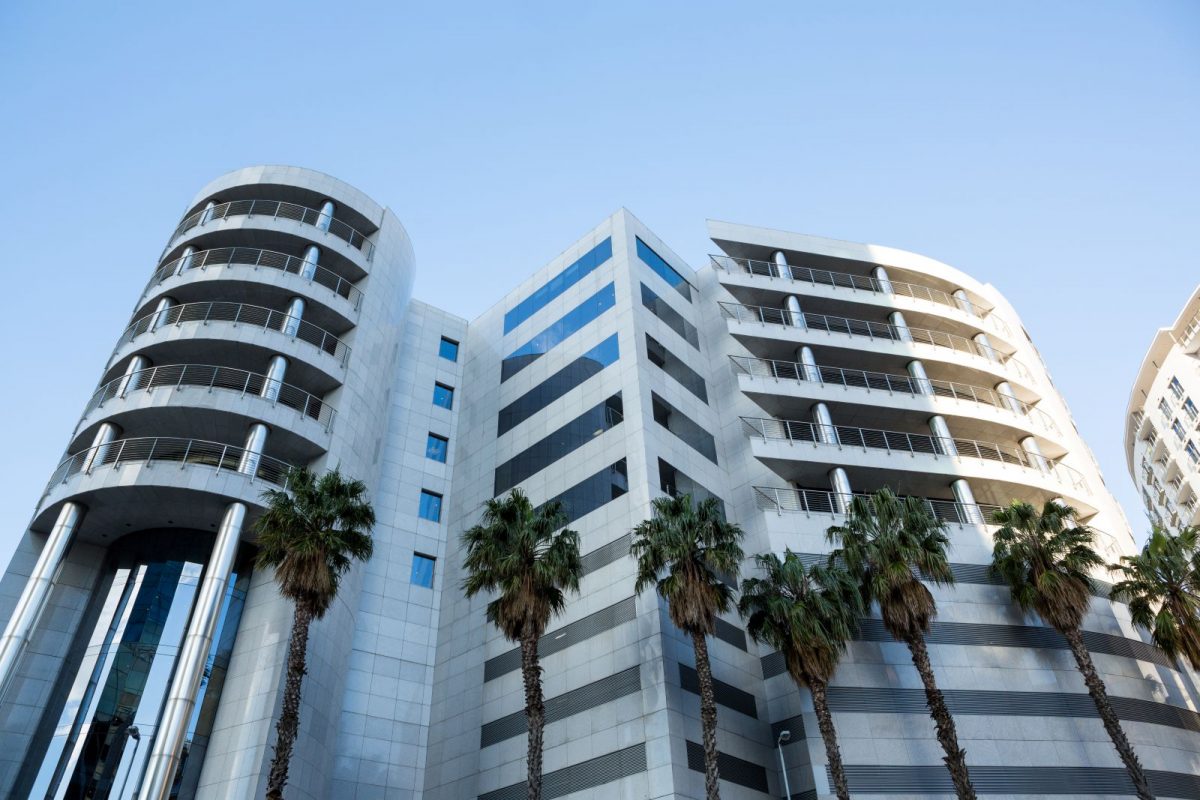
Singapore business owner using property equity release through cross-border bridging finance

How Singapore business founders, company directors, entrepreneurs, and self-employed professionals can access bridging loans, home equity loans, and asset-backed financing against their Singapore property, when the bank's TDSR formula makes it impossible through conventional channels 

You built the business. You bought the property. Both have grown significantly in value. Your business turns over S$3 million, S$7 million, or more. Your Singapore property, a condominium, a shophouse, a landed home, is worth S$3 million, S$8 million, or more. You need S$1.5 million for a business acquisition. Or S$2 million for working capital. Or S$3 million for an investment opportunity that has a closing date. You go to your bank. And the bank tells you that your income does not qualify. This guide explains why that happens, and what to do about it. 

Why Business Owners Are Systematically Blocked by Singapore's TDSR 

The Total Debt Servicing Ratio framework requires that total monthly debt repayments do not exceed 55% of verified gross monthly income. For a business owner, the problem is the word verified. The bank's income verification process is designed for salaried employees, payslips, CPF contribution statements, and employer confirmation. Business owner income does not fit this framework. 

Director's fees — the 70% haircut problem 

Most Singapore business owners pay themselves through director's fees drawn from their company. Banks apply a 70% haircut to director's fees, meaning only 70% of the declared director's fee is counted as qualifying income. A director's fee of S$20,000 per month becomes S$14,000 for TDSR purposes. And most business owners keep their director's fees modest for tax efficiency purposes, meaning the declared income figure is already significantly lower than their actual economic wealth. 

Retained earnings — not counted at all 

The most significant distortion. Retained earnings in the company, profits accumulated over years of successful business operation, are not counted as personal income for TDSR purposes. A business owner whose company has S$5 million in retained earnings on the balance sheet has zero qualifying TDSR income from those retained earnings. The bank sees only the director's fee. 

Dividends and distributions — treated inconsistently 

Business owners who pay themselves through dividends rather than director's fees find that banks treat dividends inconsistently. Some lenders apply a two-year average at 70%. Others exclude dividends entirely as irregular income. Neither treatment reflects the actual financial capacity of an established, profitable business owner. 

Business sale proceeds — excluded entirely 

A business owner who has just sold their company for S$10 million and received the proceeds has, for TDSR purposes, zero income from that event. The sale proceeds are a one-off, non-recurring capital event, not qualifying monthly income. An owner in this position may be among the wealthiest individuals in Singapore and still be unable to access a home equity loan through conventional bank channels. 

The GMG Solution — Asset-Backed Bridging Loans for Business Owners 

Global Mortgage Group's Singapore property bridging loan and asset-backed home equity loan alternative is assessed on the property's market value and the borrower's exit strategy, not on the TDSR income formula. For business owners, this means the assessment looks at what it should look at: the property as security, the business as context, and the plan for repayment. 

A business owner with a S$6 million condominium, a profitable company with S$4 million in retained earnings, and a need for S$2 million in capital to fund a business acquisition is an excellent credit risk by any rational measure. GMG's assessment recognises this. The TDSR formula does not. 

Common Scenarios — Business Owners and Singapore Property Equity Release 

Funding a business acquisition without a bank loan 

A Singapore SME founder wants to acquire a competitor or a strategic asset. The acquisition requires S$3 million. Taking a business loan would add leverage to the company's balance sheet and require bank covenants. Using equity from a Singapore property, a condominium, shophouse, or landed home, provides the capital without touching the business's banking relationships. The bridging loan is repaid from the acquisition's business proceeds or from the next business refinancing event. 

Working capital for a growth opportunity 

A business owner needs S$2 million in working capital to fund a large contract, an inventory build, or an overseas expansion. The business's existing bank credit lines are fully drawn. The business owner's Singapore property has S$5 million in equity sitting unused. A property bridging loan provides the working capital within three weeks. 

Bridge to a business sale 

A business owner is in the process of selling their company. The sale will generate S$8 million. But the transaction will take six months to close. In the meantime they need S$2 million for personal financial commitments. A bridging loan against their Singapore property provides the capital, with the exit strategy being the business sale proceeds at close. 

Post-business-sale balance sheet restructuring 

A business owner has just sold their company. They have received S$10 million in proceeds. But they also have a Singapore property worth S$8 million in which a further S$4 million in equity is locked. They want to deploy that equity into overseas real estate before committing to the longer process of a conventional bank mortgage. A bridging loan against the Singapore property provides the capital while the long-term strategy is implemented. 

Eligible Property Types 

  • Condominiums — all districts, all tenures 
  • Shophouses — conservation and freehold 
  • Landed property — terrace, semi-detached, detached 
  • Good Class Bungalows 
  • Commercial strata — office, retail, industrial 
  • Hospitality assets — boutique hotels, serviced apartments 

Frequently Asked Questions 

Q1: My bank calculated my TDSR based only on my director's fee and declined my home equity loan. Can GMG help? 

A: Yes. GMG's Singapore property bridging loan and asset-backed facility is assessed on your property's market value and your exit strate, not on the TDSR income formula. Your director's fee, retained earnings, business value, and overall financial position are reviewed holistically. We regularly arrange equity release facilities for business owners in exactly this situation. 

Q2: I recently sold my business and received significant proceeds. Can I now access equity from my Singapore property? 

A: Through a conventional bank, your business sale proceeds do not count as qualifying TDSR income, they are a one-off capital event. Through GMG, your overall financial position, including the business sale proceeds, is part of the assessment. Contact Donald Klip to discuss your specific situation. 

Q3: How quickly can I access equity from my Singapore property for a business purpose? 

A: GMG's typical timeline from first contact to drawdown is two to four weeks. If you have a time-sensitive business commitment with a closing date, contact Donald Klip immediately to discuss an accelerated assessment. 

To discuss Singapore property equity release for your business needs:
Donald Klip | Founder | [email protected] | +65 9773-0273 | www.gmg.asia 

For Private Bankers, Wealth Managers, and Client Advisors 

If you are a private banker, wealth manager, client advisor, relationship manager, financial planner, or wealth planner with a client who owns Singapore property and cannot access equity release, a home equity loan, or a bridging loan through your institution, GMG works discreetly alongside financial professionals to solve exactly this problem. 

We offer a formal referral arrangement with referral compensation, and a white-label model where GMG funds the solution while you remain the client's primary relationship. Your client stays your client. You become the advisor who found the answer their institution could not. 

Contact Donald Klip directly to discuss a referral or partnership arrangement.
Donald Klip | Founder | [email protected] | +65 9773-0273 | www.gmg.asia 

Speak with Donald directly to discuss your Singapore property equity release, home equity loan, or bridging loan requirements. The conversation is confidential and there is no obligation.

UNLOCKED IN SINGAPORE: Singapore Commercial Property and Hospitality Asset Equity Release — Bridging Loans and Asset-Backed Finance for Office, Retail, Industrial, Hotel, and Serviced Apartment Owners

Singapore commercial and hospitality properties financed through bridging loans and asset-backed lending

How owners of Singapore commercial strata units, industrial property, boutique hotels, serviced apartments, and F&B assets can access bridging loans and asset-backed financing when conventional bank products do not apply 

Singapore's commercial property and hospitality asset market encompasses a wide range of valuable assets, strata office units in the CBD, retail shopfronts, industrial B1 and B2 units, boutique hotels, serviced apartments, and F&B properties. Owners of these assets are almost exclusively business operators or investors whose income is tied to the performance of their businesses or to the trading results of the property itself. This creates a fundamental mismatch with the conventional Singapore bank mortgage product, which is designed for salaried individuals with verifiable personal income, not for business operators, hospitality entrepreneurs, and commercial property investors. 

Why Conventional Bank Equity Release Fails for Commercial and Hospitality Assets 

The product mismatch problem 

Singapore banks offer residential mortgage products for private residential property and separate commercial lending products for commercial property. The residential home equity loan product does not apply to a strata office unit, an industrial unit, or a hospitality asset. The commercial lending product, where it exists, is governed by different assessment criteria, typically requires full business financial due diligence, and is subject to internal credit appetite constraints that are more restrictive than residential mortgage lending. 

The trading income assessment problem 

Owners of hospitality assets, boutique hotels, serviced apartments, and F&B properties, have income that is directly tied to the property's trading performance: occupancy rates, room rates, food and beverage revenues. This income is by nature variable and seasonal. Banks cannot underwrite a conventional loan against this income profile using a TDSR formula designed for salaried monthly income. The result is that a Singapore boutique hotel owner sitting on a S$30 million property has almost no conventional bank equity release pathway available. 

The business income problem 

Owners of commercial strata units: office, retail, industrial, who are also the operators of businesses within those units face the standard TDSR business income problem. Their income is director's fees, dividends, and retained earnings. Banks apply haircuts and exclusions. The result is that a business owner who has built both a successful company and accumulated a valuable commercial property cannot access the equity in that property to fund the next stage of their business. 

GMG's Singapore Commercial and Hospitality Asset Bridging Loan Facility 

Global Mortgage Group provides asset-backed bridging loans and private credit facilities against Singapore commercial property and hospitality assets, assessed on the property's market value and the borrower's exit strategy. 

  • Eligible asset types: strata office units, retail shopfronts and F&B properties, industrial B1 and B2 units, boutique hotels, serviced apartments, mixed-use commercial buildings 
  • Loan size: S$1 million to S$100 million and above 
  • LTV: up to 55 to 65 percent on first charge, depending on asset type and location 
  • Assessment basis: property market value and exit strategy, not TDSR income formula 
  • Ownership structures: personal name, company, trust, and offshore holding vehicle accommodated 
  • Repayment: bullet at maturity, or retained interest with no monthly repayments 
  • Timeline: typically 3 to 5 weeks from mandate to drawdown for commercial assets 

Hospitality Asset Equity Release — A Specific Focus 

Singapore's hospitality sector: boutique hotels, serviced residences, apart-hotels, and F&B freehold assets, represents a category of particular focus for GMG's Singapore private credit and bridging loan practice. These assets are often worth S$5 million to S$100 million or more, are typically owned by entrepreneur-operators, and have equity that is entirely inaccessible through the conventional banking system. 

GMG's assessment for a hospitality asset bridging loan focuses on the asset's market value as confirmed by an independent valuation, the track record of the operating business as supporting context, and the exit strategy, which may be a sale of the asset, a refinancing through a commercial bank once trading performance has been formally documented over an extended period, or proceeds from a business exit. 

Common Use Cases 

Business expansion capital 

A Singapore SME owner who holds a commercial unit uses equity release to fund business growth, an acquisition, or a working capital requirement, without creating a new liability on the business's balance sheet. 

Hospitality business development 

A boutique hotel operator raises equity against the hotel asset to fund a refurbishment programme, an additional property acquisition, or an expansion of the serviced apartment portfolio. 

Portfolio restructuring 

A commercial property investor uses equity release across a portfolio of strata units to fund a repositioning, acquiring a new asset before divesting an older one, or accessing capital for a renovation without a forced sale. 

To discuss equity release from your Singapore commercial or hospitality property:
Donald Klip | Founder | [email protected] | +65 9773-0273 | www.gmg.asia 

For Private Bankers, Wealth Managers, and Client Advisors 

If you are a private banker, wealth manager, client advisor, relationship manager, financial planner, or wealth planner with a client who owns Singapore property and cannot access equity release, a home equity loan, or a bridging loan through your institution, GMG works discreetly alongside financial professionals to solve exactly this problem. 

We offer a formal referral arrangement with referral compensation, and a white-label model where GMG funds the solution while you remain the client's primary relationship. Your client stays your client. You become the advisor who found the answer their institution could not. 

Contact Donald Klip directly to discuss a referral or partnership arrangement.
Donald Klip | Founder | [email protected] | +65 9773-0273 | www.gmg.asia 

Speak with Donald directly to discuss your Singapore property equity release, home equity loan, or bridging loan requirements. The conversation is confidential and there is no obligation.

UNLOCKED IN SINGAPORE: Prime District Condominium Equity Release in Singapore — D9, D10, D11, and Sentosa Cove

Singapore condo equity release | Prime District Condominium Equity Release in Singapore

How owners of Singapore's prime district condominiums: Orchard, River Valley, Nassim, Bukit Timah, and Sentosa Cove, can access home equity loans, bridging loans, and asset-backed financing when their bank cannot help 

Singapore's prime district condominium market: Districts 9, 10, and 11 covering Orchard Road, River Valley, Nassim Road, Holland Village, and Bukit Timah, together with the Sentosa Cove island enclave, represents some of the most valuable condominium real estate in Southeast Asia. Units in developments like Ardmore Park, The Nassim, Draycott Eight, and One Shenton have traded at S$3,000 to S$5,000 or more per square foot. A 2,000 square foot unit purchased in 2010 may now be worth S$8 million or more. And yet a substantial proportion of the owners of these condominiums, foreign nationals, overseas Singaporeans, retired professionals, and business owners, cannot access a dollar of that equity through the conventional Singapore banking system. 

Who Owns Singapore Prime District Condominiums 

The ownership profile of Singapore's prime district condominiums is more internationally diverse than any other property category in Singapore. Districts 9, 10, and 11 have attracted substantial investment from Indonesian, Malaysian, Hong Kong, Chinese national, Indian, British, and Australian buyers over the past two decades. Sentosa Cove, which allows foreign nationals to purchase landed property, a rare exception in Singapore, has an ownership profile that is predominantly non-Singaporean. 

This international ownership base creates a systematic equity release problem. Foreign nationals face a 30% income haircut from Singapore banks on their overseas earnings. Many have no Singapore income at all. Sentosa Cove owners frequently have no Singapore banking relationship of any substance. And for all of these owners, the conventional bank home equity loan or term loan against their Singapore condominium is structurally unavailable. 

Common Ownership Profiles and Their Specific Barriers 

Indonesian owners of prime district condominiums 

Indonesian families and investors are one of the largest groups of foreign-owned prime district condominium ownership in Singapore. Income earned through Indonesian family businesses, property groups, and holding structures, typically documented through PT company financial statements, is either heavily discounted by Singapore banks or excluded entirely under TDSR. Global Mortgage Group provides asset-backed bridging loans against prime district condominiums owned by Indonesian nationals, assessed on the Singapore property's market value. 

Malaysian owners 

Many Malaysian owners of Singapore prime condominiums are permanent residents who have lived in Singapore for years or decades but whose income, particularly business income from Malaysian-registered companies, does not satisfy Singapore bank TDSR requirements. GMG serves Malaysian owners through both resident and non-resident equity release channels. 

Hong Kong and Chinese national owners 

Post-2019 capital relocation from Hong Kong to Singapore brought substantial investment into the prime condominium market. Chinese national investors have been active buyers for two decades. HKD and RMB income documentation, complex offshore holding structures, and Singapore bank caution around PRC-sourced income verification create consistent equity release barriers. GMG's asset-backed bridging loan is assessed on the Singapore property value, not on the currency or source of the borrower's income. 

Sentosa Cove condominium owners 

Sentosa Cove's unique status as a location where foreign nationals can purchase landed property has created an ownership base that is predominantly internationally mobile and typically has no meaningful Singapore income profile. Bank equity release against Sentosa Cove property is systematically unavailable for most owners. GMG provides bridging loans and asset-backed facilities against Sentosa Cove condominiums and landed property at competitive LTV ratios. 

Retired Singapore resident owners 

Long-term Singapore residents who bought prime district condominiums in the 1990s or early 2000s and have fully paid off their mortgages face the standard TDSR retirement problem. CPF Life payouts and investment income do not satisfy TDSR at the loan level required to make equity release meaningful. GMG's retained interest bridging loan requires no monthly repayments and is assessed on the property's value and exit strategy. 

GMG's Prime District Condominium Equity Release Facility 

  • Loan size: S$1 million to S$20 million and above 
  • LTV: up to 65 to 70 percent on first charge against a prime district condominium 
  • Eligible districts: D9, D10, D11, Sentosa Cove, and adjacent prime locations 
  • TDSR: does not govern this facility, assessed on property value and exit strategy 
  • Eligible borrowers: Singapore citizens, permanent residents, foreign nationals, non-residents of all nationalities 
  • Ownership structures: personal name, company, trust, and offshore holding vehicle accommodated 
  • Repayment: bullet at maturity, or retained interest with no monthly repayments required 
  • Timeline: typically 2 to 4 weeks from mandate to drawdown 
  • Currency: SGD, USD, GBP, AUD, HKD, EUR 

Common Use Cases 

Cross-border property acquisition 

Using Singapore prime condominium equity to fund the purchase of an investment property in Australia, the United Kingdom, or the United States without selling the Singapore asset. GMG arranges Singapore equity release and overseas mortgage financing simultaneously where appropriate. 

Business capital 

A business owner or entrepreneur using prime condominium equity to fund a business acquisition, working capital requirement, or investment opportunity. 

Portfolio rebalancing 

Extracting capital from a concentrated Singapore real estate position to diversify into financial assets, private equity, or overseas property. 

Short-term bridge to long-term refinancing 

An owner who expects their income profile to improve, through a return to Singapore employment, a business exit, or a PR status change, uses a GMG bridging loan as a short-term solution while the longer-term bank financing pathway is established. 

Frequently Asked Questions 

Q1: I am a foreign national who owns a condominium in Orchard Road. Can I get equity release or a home equity loan? 

A: Yes, through GMG's asset-backed bridging loan and private credit facility. Singapore banks will apply a 30% haircut to your overseas income and may decline your application entirely. GMG assesses your application on the Singapore property's market value and your exit strategy. Your nationality and the source of your income are not disqualifying factors. 

Q2: Can I get a bridging loan against my Sentosa Cove condominium or landed property? 

A: Yes. GMG provides bridging loans and asset-backed equity release against Sentosa Cove condominiums and landed property. Sentosa Cove is among GMG's most common Singapore equity release locations, precisely because most Sentosa Cove owners, being foreign nationals, cannot access conventional bank home equity loans. 

Q3: My Singapore condominium is worth S$6 million and is fully paid. How much can I borrow? 

A: At a 65% LTV on a first-charge bridging loan against a S$6 million fully paid condominium, the indicative maximum facility is S$3.9 million. The actual amount is confirmed following a formal valuation. Contact Donald Klip for a preliminary assessment. 

To discuss equity release from your Singapore prime district condominium: Donald Klip | Founder | [email protected] | +65 9773-0273 | www.gmg.asia 

For Private Bankers, Wealth Managers, and Client Advisors 

If you are a private banker, wealth manager, client advisor, relationship manager, financial planner, or wealth planner with a client who owns Singapore property and cannot access equity release, a home equity loan, or a bridging loan through your institution, GMG works discreetly alongside financial professionals to solve exactly this problem. 

We offer a formal referral arrangement with referral compensation, and a white-label model where GMG funds the solution while you remain the client's primary relationship. Your client stays your client. You become the advisor who found the answer their institution could not. 

Contact Donald Klip directly to discuss a referral or partnership arrangement.
Donald Klip | Founder | [email protected] | +65 9773-0273 | www.gmg.asia 

Speak with Donald directly to discuss your Singapore property equity release, home equity loan, or bridging loan requirements. The conversation is confidential and there is no obligation.
UNLOCKED IN SINGAPORE: Singapore Shophouse Equity Release and Bridging Loans — The Complete Guide for Shophouse Owners

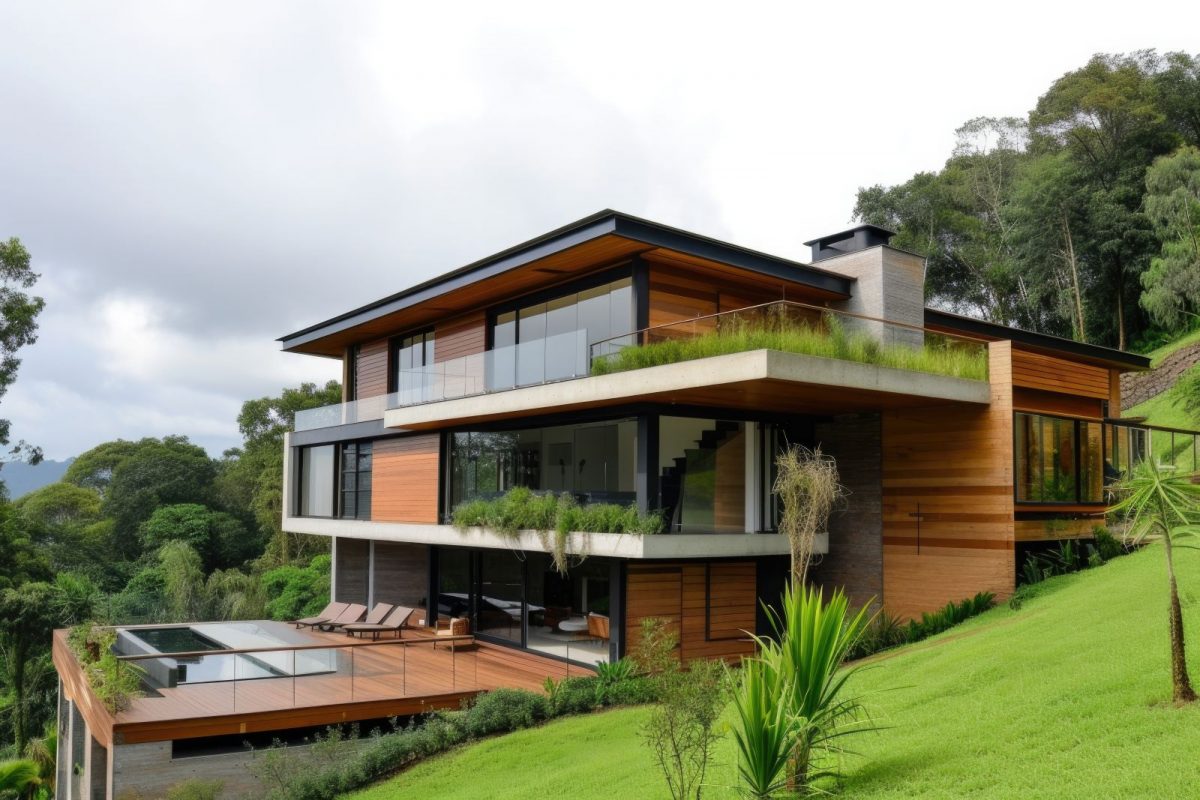
Luxury Singapore conservation shophouse in a prime district representing equity release and bridging loan financing for high-net-worth property owners.

How conservation shophouse and freehold shophouse owners in Singapore can access bridging loans, home equity loans, and asset-backed financing against one of the most valuable and most bank-underserved property types in Southeast Asia 

Singapore's conservation shophouses are among the most sought-after and most asset-rich properties in Southeast Asia. A freehold shophouse in Tanjong Pagar, Chinatown, Boat Quay, or Kampong Glam that changed hands for S$3 million in 2008 may be worth S$12 million or more today. Shophouses in prime locations have appreciated dramatically and continue to attract significant interest from regional and international buyers. And yet shophouse owners, particularly those with complex income profiles, offshore earnings, or properties held in corporate structures, face a consistent and systematic barrier when they try to access that wealth through the Singapore banking system. 

Why Singapore Banks Struggle to Lend Against Shophouses 

Commercial use designation 

Most Singapore conservation shophouses carry a mixed commercial and residential use designation. The ground floor is typically commercial, a retail space, F&B unit, or office, with residential space on upper floors. This mixed-use designation places shophouses in a category that sits awkwardly between the bank's residential mortgage product and its commercial lending product. Residential mortgage departments often decline shophouses on the basis of the commercial use component. Commercial lending departments apply different, often more conservative, assessment criteria. 

Conservation status restrictions 

Singapore's Urban Redevelopment Authority imposes conservation requirements on gazetted shophouses, restricting alterations to the building's external appearance and certain structural elements. These restrictions limit the buyer pool in the event of a forced sale, which leads banks to apply higher risk weightings and lower LTV ratios to shophouse loans. The result is that even banks willing to consider a shophouse loan will often lend at conservative LTVs that do not reflect the property's true market value. 

The income problem 

Shophouse owners in Singapore are disproportionately business families, Chinese diaspora families holding inherited property, foreign nationals who bought as investments, and sophisticated investors. All of these owner profiles face the same TDSR income problem that blocks GCB owners and landed property owners. Business income through corporate structures is discounted. Foreign income attracts a 30% haircut. Rental income from the shophouse's commercial tenant counts at 70% of gross. Retired owners have limited TDSR-qualifying income. The combination of a difficult property type and a difficult income profile means that bank equity release from a Singapore shophouse is available to only a very small proportion of shophouse owners. 

GMG's Singapore Shophouse Equity Release and Bridging Loan Facility 

GMG provides asset-backed bridging loans and private credit facilities against Singapore conservation shophouses and freehold shophouses, assessed on the property's market value and the borrower's exit strategy, not on the TDSR income formula and not on the commercial use designation. 

  • Loan size: S$2 million to S$30 million and above 
  • LTV: up to 60 to 65 percent on first charge against a Singapore shophouse 
  • Property types: conservation shophouses, freehold shophouses, leasehold shophouses in prime locations 
  • Eligible locations: Tanjong Pagar, Chinatown, Boat Quay, Kampong Glam, Neil Road, Club Street, Ann Siang, Keong Saik, and other conservation areas 
  • TDSR: does not govern this facility, assessed on property value and exit strategy 
  • Ownership structures: personal name, private limited company, family trust, and offshore holding vehicle all accommodated 
  • Repayment: bullet at maturity, or retained interest with no monthly repayments required 
  • Timeline: typically 2 to 4 weeks from mandate to drawdown 

Who Owns Singapore Shophouses — and Who Needs Equity Release 

Multi-generational Singapore Chinese families 

Many of Singapore's most valuable shophouses have been held by the same Chinese family for two or three generations. The original purchase was made by a grandfather or great-grandfather at a fraction of current values. The property has appreciated enormously. The current generation of owners may be retired, living overseas, or managing the family's interests across multiple businesses and jurisdictions. They need equity release to fund the next generation's business ventures, to equalise family distributions, or simply to access some of the wealth that has been locked in bricks and mortar for decades. 

Indonesian, Malaysian, and regional investors 

Singapore shophouses have attracted significant investment from Indonesian, Malaysian, Thai, and other regional high-net-worth individuals and families. Many of these owners earn their 

income entirely outside Singapore. Singapore banks apply a 30% haircut to overseas income and, in many cases, cannot assess income earned through Indonesian PT companies, Malaysian family businesses, or Thai holding structures. GMG's asset-backed bridging loan is assessed on the shophouse's Singapore market value, not on the owner's overseas income. 

Business owners using the shophouse as both an asset and a business location 

Some shophouse owners operate businesses from the ground floor commercial space while holding the property as an investment. Their income is through the business, director's fees, dividends, retained earnings, creating the standard TDSR income problem for a business owner. GMG's facility is assessed on the shophouse's overall value and the exit strategy, not on the business income. 

Common Use Cases for Singapore Shophouse Equity Release 

Business capital and expansion 

Using shophouse equity to fund a business acquisition, working capital requirement, or new venture, without selling a property that has significant long-term appreciation potential and may also be a family heritage asset. 

Cross-border property acquisition 

Using Singapore shophouse equity to fund the purchase of property in Australia, the United Kingdom, the United States, or elsewhere. GMG arranges both the Singapore shophouse bridging loan and the overseas mortgage simultaneously where appropriate. 

Estate restructuring and generational wealth transfer 

Multi-generational families using shophouse equity release to provide liquidity for estate planning, equalise distributions among heirs, or restructure family balance sheets without triggering a property sale that might break up a heritage asset. 

Short-term bridge to long-term refinancing 

An owner who anticipates that their income profile will improve, through a business exit, a return to Singapore employment, or a permanent residency status change, can use a GMG bridging loan as a short-term solution while the longer-term bank financing is put in place. 

Frequently Asked Questions 

Q1: Can I get a bridging loan or home equity loan against my Singapore shophouse? 

A: Not easily through a conventional bank, shophouses are classified as commercial or mixed-use properties and fall outside most residential home equity loan products. Banks that do lend against shophouses apply conservative LTV ratios and stringent income requirements. GMG provides asset-backed bridging loans against conservation and freehold shophouses assessed on the 

property's market value and exit strategy, with loan sizes from S$2 million to S$30 million and above. 

Q2: I am an Indonesian national and own a shophouse in Tanjong Pagar. Can GMG provide equity release? 

A: Yes. GMG provides asset-backed bridging loans to foreign nationals and non-residents who own Singapore private property. Assessment is based on the shophouse's Singapore market value and a credible exit strategy, not on your Indonesian income or corporate structure. We work regularly with Indonesian, Malaysian, Hong Kong, and other regional shophouse owners. 

Q3: My shophouse is held in a Singapore private limited company. Can I still access equity release? 

A: Yes. GMG accommodates Singapore properties held in private limited companies, family trusts, and offshore holding vehicles. Company-owned shophouses are among the most common structures we encounter. 

Q4: How long does it take to arrange a bridging loan against a Singapore shophouse? 

A: GMG's typical timeline from first conversation to drawdown is two to four weeks. This includes arranging a formal valuation of the shophouse, preparing legal documentation, and completing the drawdown. This is significantly faster than a conventional bank process. 

To discuss equity release from your Singapore shophouse: Donald Klip | Founder | [email protected] | +65 9773-0273 | www.gmg.asia 

For Private Bankers, Wealth Managers, and Client Advisors 

If you are a private banker, wealth manager, client advisor, relationship manager, financial planner, or wealth planner with a client who owns Singapore property and cannot access equity release, a home equity loan, or a bridging loan through your institution, GMG works discreetly alongside financial professionals to solve exactly this problem. 

We offer a formal referral arrangement with referral compensation, and a white-label model where GMG funds the solution while you remain the client's primary relationship. Your client stays your client. You become the advisor who found the answer their institution could not. 

Contact Donald Klip directly to discuss a referral or partnership arrangement.
Donald Klip | Founder | [email protected] | +65 9773-0273 | www.gmg.asia 

Speak with Donald directly to discuss your Singapore property equity release, home equity loan, or bridging loan requirements. The conversation is confidential and there is no obligation.

UNLOCKED IN SINGAPORE: Good Class Bungalows and Landed Property in Singapore — The Complete Guide to Equity Release and Bridging Loans

Good Class Bungalow equity release and bridging loan financing for Singapore landed property owners

How owners of Singapore's most valuable landed and Good Class Bungalow properties can access home equity loans, bridging loans, and asset-backed financing, and why the conventional bank system fails them 

Singapore's landed property and Good Class Bungalow market represents some of the most concentrated, illiquid wealth in Southeast Asia. Owners of Good Class Bungalows in Bukit Timah, Holland Road, and Nassim typically hold assets worth S$10 million to S$50 million or more. Owners of terrace houses, semi-detached, and detached homes across Districts 10, 11, and 21 hold assets worth S$2 million to S$15 million. In many cases, these properties are fully paid off, or nearly so. And in many cases, the owners who hold them cannot access a single dollar of that value through the conventional Singapore banking system. This guide explains why, and what to do about it. 

Good Class Bungalows — Singapore's Most Asset-Rich, Bank-Blocked Property Category 

Good Class Bungalows occupy a unique position in Singapore's property market. There are approximately 2,800 GCBs in Singapore, concentrated in 39 designated Good Class Bungalow Areas including Bukit Timah, Holland Road, Nassim, Dalvey, and Chatsworth. Ownership is restricted to Singapore citizens only. Minimum plot size is 1,400 square metres. Values have risen dramatically, a GCB that changed hands for S$8 million in 2012 may be worth S$20 million or more today. 

The citizen-only ownership restriction means GCB owners are, by definition, Singapore citizens. You might expect this to make bank equity release straightforward. In practice, it does not, because the barrier is not citizenship, it is TDSR. 

The Singapore citizens who own Good Class Bungalows are disproportionately business founders, multi-generational family wealth holders, and retired or semi-retired individuals. Their income profiles, director's fees, corporate distributions, investment returns, CPF Life payouts, are precisely the income types that TDSR handles worst. The result is that a Singapore citizen owning a fully paid GCB worth S$25 million can find themselves unable to borrow S$5 million against it through any conventional Singapore bank. 

Why Singapore Banks Struggle to Lend Against Good Class Bungalows 

The TDSR income problem 

Most GCB owners have income that does not map cleanly onto TDSR assessment. Retired owners rely on CPF Life payouts and investment income. Business owners receive director's fees, subject to a 70% haircut, with the bulk of their economic wealth held as retained earnings in corporate structures. Family wealth holders receive trust distributions and investment dividends, which many banks exclude entirely. The TDSR formula, designed for salaried employees, systematically underestimates the actual financial capacity of this group. 

The LTV constraint 

Singapore banks typically apply conservative LTV ratios to GCBs, often lower than the standard 75% applied to condominiums, due to the limited buyer pool for this property type and the longer marketing periods required in the event of a forced sale. This further reduces the quantum available through conventional bank channels. 

The holding structure problem 

Some Good Class Bungalows are held in family trusts, holding companies, or joint ownership arrangements for estate planning purposes. Singapore bank retail mortgage departments typically require that a home equity loan be taken in the same name as the registered property owner. If the registered owner is a trust or a private limited company, the application cannot proceed through standard bank channels. 

GMG's Good Class Bungalow Equity Release Facility 

Global Mortgage Group provides Singapore property bridging loans and asset-backed private credit facilities against Good Class Bungalows, assessed on the property's market value and the borrower's exit strategy rather than on TDSR income ratios. 

  • Loan size: S$5 million to S$50 million and above 
  • LTV: up to 60 to 65 percent on first charge against a Good Class Bungalow 
  • TDSR: does not govern this facility, property value and exit strategy are primary 
  • Ownership structures: personal name, private limited company, family trust, and family office SPV all accommodated 
  • Repayment: bullet at maturity, or retained interest with no monthly repayments required 
  • Timeline: typically 2 to 4 weeks from mandate to drawdown 
  • Exit strategies accepted: property sale, long-term bank refinancing once income documentation improves, business proceeds, estate liquidity 

Landed Property — Terrace, Semi-Detached, and Detached Homes 

Outside the GCB category, Singapore's broader landed property market, terrace houses, semi-detached homes, and detached properties, spans a wide range of values and a wide range of owner profiles. Many long-term owners in this segment bought in the 1990s and early 2000s, have fully paid off their mortgages, and are now sitting on substantial equity in properties worth S$2 million to S$10 million or more. 

The equity release barriers for this group are similar to those for GCB owners, with the income complexity profile typically determined by the life stage of the owner. Retired owners cannot satisfy TDSR with CPF Life income. Business owners face the director's fee problem. Self-employed professionals face income documentation challenges. And overseas Singaporeans and foreign permanent residents who own landed property face the foreign income haircut. 

The Retained Interest Structure — Equity Release With No Monthly Repayments 

For landed property and GCB owners who are retired, semi-retired, or otherwise without regular monthly cash flow to service a conventional home equity loan, GMG's retained interest bridging loan structure is the feature that makes equity release practically available. 

In a retained interest structure, the total interest for the full loan term is calculated upfront and deducted from the loan proceeds at drawdown. The borrower receives the net cash, the loan amount minus the total interest, and has no further monthly payment obligation. At the end of the loan term, the full principal is repaid in a single bullet from the exit event: a property sale, a long-term bank refinancing, business proceeds, or estate liquidity. 

For a retired GCB owner whose CPF Life income is S$2,000 per month, the retained interest structure is the difference between accessing their accumulated wealth and being completely blocked by the TDSR formula. There is no monthly repayment to fail. There is only the exit event that the borrower and GMG have agreed from the outset. 

Common Use Cases for GCB and Landed Property Equity Release 

Business investment and acquisition 

A Singapore entrepreneur or business founder uses equity released from a Good Class Bungalow or landed home to fund a business opportunity, an acquisition, a new venture, or a working capital requirement, without involving the business's existing banking relationships. 

Overseas property acquisition 

Using Singapore landed property or GCB equity to fund the purchase of property in Australia, the United Kingdom, the United States, or Thailand without selling the Singapore asset. The Singapore bridging loan is repaid from the proceeds of an overseas mortgage arranged through GMG's international network. 

Estate planning and family wealth distribution 

Multi-generational Singapore families using equity release from a family GCB or landed property to equalise distributions among heirs, fund charitable giving, or restructure the family balance sheet without forcing a property sale. 

Portfolio rebalancing 

Extracting capital from Singapore real estate to diversify into financial assets, private equity, or overseas property, reducing concentration risk without incurring the transaction costs of a full property sale. 

Frequently Asked Questions 

Q1: Can I get a home equity loan or bridging loan against my Good Class Bungalow? 

A: Singapore banks apply conservative LTV ratios to GCBs and will also apply TDSR income assessment, which fails most GCB owners due to complex income profiles. GMG provides asset-backed bridging loans against Good Class Bungalows assessed on the property's value and exit strategy, not on income. Loan sizes from S$5 million to S$50 million and above. 

Q2: I own a terrace house or semi-detached home in Singapore and need equity release. Can GMG help? 

A: Yes. GMG provides bridging loans and asset-backed home equity loan alternatives against all landed property types: terrace houses, semi-detached homes, and detached homes. Assessment is based on the property's market value and exit strategy. Loan sizes typically from S$1 million to S$15 million. 

Q3: My landed property is held in a company or family trust. Can I still access equity release? 

A: Yes. GMG accommodates Singapore properties held in private limited companies, family trusts, and offshore holding vehicles. This is a common structure for estate planning purposes and does not prevent an equity release or bridging loan being arranged. 

Q4: I am retired. Can I get equity release from my Good Class Bungalow without monthly repayments? 

A: Yes. Global Mortgage Group’s retained interest structure is specifically designed for this situation. The total interest for the loan term is deducted from proceeds at drawdown, and no monthly repayments are required. The full principal is repaid as a bullet at maturity from a property sale or other exit event. 

To discuss equity release from your Singapore landed property or Good Class Bungalow: Donald Klip | Founder | [email protected] | +65 9773-0273 | www.gmg.asia 

For Private Bankers, Wealth Managers, and Client Advisors 

If you are a private banker, wealth manager, client advisor, relationship manager, financial planner, or wealth planner with a client who owns Singapore property and cannot access equity release, a home equity loan, or a bridging loan through your institution, GMG works discreetly alongside financial professionals to solve exactly this problem. 

We offer a formal referral arrangement with referral compensation, and a white-label model where GMG funds the solution while you remain the client's primary relationship. Your client stays your client. You become the advisor who found the answer their institution could not. 

Contact Donald Klip directly to discuss a referral or partnership arrangement.
Donald Klip | Founder | [email protected] | +65 9773-0273 | www.gmg.asia 

Speak with Donald directly to discuss your Singapore property equity release, home equity loan, or bridging loan requirements. The conversation is confidential and there is no obligation.

UNLOCKED IN SINGAPORE: When Your Institution Cannot Help — A Guide for Private Bankers, Wealth Managers, and Client Advisors on Singapore Property Equity Release

Singapore Property Equity Release Referral for Private Bankers

How financial professionals can solve Singapore property equity release, home equity loan, and bridging loan mandates for high-net-worth clients, and strengthen client relationships in the process 

Your client owns a Good Class Bungalow worth S$18 million. Or a conservation shophouse in Tanjong Pagar. Or three prime district condominiums acquired over two decades. The property is fully paid or nearly paid. The client needs S$5 million. They come to you, their trusted advisor, expecting that you will be able to solve it. 

Your institution cannot help. The TDSR does not work for this client's income profile. Your retail mortgage department does not have the right product. Your credit policy excludes this property type. The amount is outside your equity release parameters. Whatever the specific reason, the answer from your institution is no. 

What happens next determines whether you remain the client's trusted advisor or become the person who could not find an answer. 

The Problem Your Clients Face — and Why Your Institution Cannot Solve It 

Singapore's TDSR framework was designed for retail mortgage borrowers with verifiable monthly income. It works well for that audience. It fails systematically for high-net-worth individuals whose wealth is concentrated in assets rather than income, which describes a very large proportion of the clients served by private bankers, wealth managers, and client advisors in Singapore. 

The clients most commonly blocked by TDSR for Singapore property equity release include retired individuals whose CPF Life and investment income cannot satisfy the 55% debt service threshold; business owners whose income flows through corporate structures rather than personal salary; foreign nationals who own Singapore property but earn their income in Jakarta, Kuala Lumpur, Hong Kong, or Mumbai; overseas Singaporeans whose foreign income attracts a 30% penalty from Singapore banks; and family office principals whose personal declared income is a fraction of their actual economic wealth. 

For all of these clients, a conventional bank home equity loan or term loan against their Singapore property is structurally unavailable, not because they are not creditworthy, but because the 

TDSR formula is the wrong instrument for their financial profile. Your institution's retail mortgage department, operating under MAS lending guidelines, cannot override this. The answer is no, and it will remain no regardless of how the application is structured. 

What GMG Provides That Your Institution Cannot 

Global Mortgage Group provides Singapore property bridging loans, asset-backed home equity loan alternatives, and private credit facilities that are assessed on the property's value and the borrower's exit strategy, not on TDSR income ratios. This means we can serve the clients that your institution's retail mortgage framework cannot accommodate. 

The specific situations where GMG can help 

• A retired client with a fully paid Good Class Bungalow or landed property who needs equity release but whose CPF Life income fails TDSR. GMG's retained interest bridging loan requires no monthly repayments and is repaid as a bullet from a property sale or estate event. 

  • A business-owning client whose income is through director's fees, dividends, or retained earnings, all of which are discounted or excluded under TDSR. GMG assesses the client's overall financial position, not the TDSR income formula. 
  • A foreign national client: Indonesian, Malaysian, Hong Kong, Chinese national, Indian, or other, who owns Singapore private property and earns income outside Singapore. GMG provides asset-backed bridging loans assessed on the Singapore property value, not on the overseas income subject to Singapore bank haircuts. 
  • A family office client whose personal income does not reflect their actual wealth. GMG provides Lombard-style asset-backed facilities assessed on the overall asset base. 
  • A client whose Singapore property is a conservation shophouse, Good Class Bungalow, commercial strata unit, or hospitality asset, property types that fall outside most bank home equity loan product scopes. 
  • A client who needs capital in two to four weeks rather than two to four months and cannot afford a bank's processing timeline. 

How the Referral Relationship Works 

GMG works with financial professionals through two models, and the choice is entirely yours. 

Formal referral arrangement 

You introduce your client to Donald Klip at GMG. We conduct a confidential assessment, structure the Singapore bridging loan or asset-backed home equity loan alternative, and manage the transaction through to drawdown. You receive a formal referral fee, agreed before the introduction is made. The fee structure is discussed directly with Donald and is not disclosed to the client. 

White-label model 

GMG structures and funds the solution entirely in the background. You present the solution to your client as something you have arranged on their behalf. GMG's involvement is not disclosed unless you choose to disclose it. Your client's trust in you is reinforced, you become the advisor who solved the problem their institution could not. The client stays your client. GMG does not make contact with your client independently and does not compete for the broader client relationship. 

What remains yours throughout 

In both models: your client's information is treated with complete confidentiality. GMG does not use client introductions to market other services. We do not contact your clients for any purpose other than the specific transaction you have introduced. We do not compete for wealth management, investment advisory, or private banking relationships. Our focus is exclusively on the Singapore property equity release, bridging loan, and asset-backed finance mandates that your institution cannot accommodate. 

Why This Matters for Your Client Relationship 

A high-net-worth client who needs S$5 million against their Singapore property and cannot get it from their trusted advisor will find a solution elsewhere. In most cases, they will find it. Singapore's non-bank lending market is active and growing, and an increasingly sophisticated HNW client community knows how to search for alternatives. 

The question is whether they find that solution through you, and whether you remain their trusted advisor in the process, or whether they find it independently, through a search, through another advisor, or through a direct approach to a non-bank lender. The latter scenario weakens the relationship. The former strengthens it. 

The advisor who says 'our bank cannot do this, but I know who can and I will make the introduction' is the advisor the client calls first for the next problem. The advisor who says 'unfortunately we cannot help with that' risks being replaced by whoever does help. 

Singapore Property Types GMG Can Finance 

  • Good Class Bungalows, from S$5 million to S$50 million and above 
  • Conservation and freehold shophouses, from S$3 million to S$30 million and above 
  • Landed property, terrace houses, semi-detached, detached, from S$2 million to S$15 million 
  • Prime condominiums in District 9, 10, 11, and Sentosa Cove, from S$1.5 million to S$20 million and above 
  • Commercial strata, office, retail, and industrial units, from S$1 million to S$30 million 
  • Hospitality assets, boutique hotels, serviced apartments, from S$5 million to S$100 million and above 

Client Profiles GMG Can Serve 

  • Singapore citizens and permanent residents whose income does not satisfy TDSR for the equity release amount required 
  • Foreign nationals of any nationality who own Singapore private property 
  • Non-residents and overseas Singaporeans with Singapore property 
  • Business owners and entrepreneurs with corporate income structures 
  • Retired and semi-retired property owners 
  • Self-employed professionals with irregular or project-based income 
  • Family offices and ultra-high-net-worth individuals 
  • Properties held in companies, trusts, family offices, and offshore holding vehicles 

Facility Parameters 

  • Loan size: S$500,000 to S$100 million and above 
  • Loan term: 6 to 24 months, extendable by agreement 
  • LTV: up to 65 to 70 percent on first charge 
  • Repayment: bullet at maturity, or retained interest with no monthly repayments 
  • Timeline: typically 2 to 4 weeks from mandate to drawdown 
  • Currency: SGD, USD, GBP, AUD, HKD, EUR 

To discuss a client situation or referral arrangement: 

Donald Klip | Founder | [email protected] | +65 9773-0273 | www.gmg.asia 

Speak with Donald directly to discuss your Singapore property equity release, home equity loan, or bridging loan requirements. The conversation is confidential and there is no obligation.