
Canada, Latin America, and the Americas: How North and South American Investors Are Building US Real Estate Portfolios With DSCR Loans

Canadian and Latin American investors exploring US real estate opportunities through DSCR loan financing

Across the Western Hemisphere, from Vancouver to Buenos Aires, sophisticated investors are discovering the same truth: the United States offers the highest combination of legal protection, yield, and financing accessibility available anywhere in the Americas.

And the DSCR loan — $100,000 minimum, 80% LTV, no US credit required, property income qualification, is the vehicle making it possible for investors from every corner of the hemisphere to participate.

America Mortgages | Global Mortgage Group (GMG)

$100K Minimum | 80% LTV | No US Credit | Americas Investors Specialist

Canada: The Snowbird Strategy Meets Investment Intelligence

Canada's proximity to the US and the snowbird tradition make it the most natural source of US real estate investment from the Americas. 

The Canadian property reality in 2026:

  • Toronto average house price: CAD $1.1M (gross yield 3.5–4.0%)
  • Vancouver average house price: CAD $1.8M (gross yield 2.8–3.3%)
  • Foreign buyer ban: Extended through 2027
  • Combined land transfer tax, foreign buyer surcharge, and mortgage stress test: Investment economics for non-resident Canadian investors are deeply unfavourable

The US alternative:

  • Nashville: USD $320,000 (gross yield 11–13%)
  • No foreign buyer surcharge
  • 80% LTV DSCR financing from 7.00%
  • Canadian bank statements (RBC, TD, BMO, Scotiabank, CIBC, BNS, National Bank) all accepted

The snowbird strategy evolved: Rather than purchasing a Florida condo purely for personal use, sophisticated Canadian investors now purchase STR-eligible Florida or Arizona properties that generate Airbnb income during their 6–8 months of US absence, and that they personally use during the Canadian winter months they spend in the US.

DSCR for Canadian investors:

  • No US credit required: Canadian credit bureau (Equifax Canada, TransUnion Canada) accepted as international credit equivalent
  • CAD bank statements accepted (USD conversion applied)
  • Rate: From 7.00% (foreign national program) or 6.12% for Canadian-born US residents on domestic program
  • 80% LTV — only 20% down payment
  • $100,000 minimum loan

The US estate tax note for Canadians: The Canada-US tax treaty provides specific estate tax relief for Canadian residents with US assets — the available exemption is calculated proportionally to the worldwide estate size. Consult a Canada-US cross-border estate attorney. America Mortgages provides referrals.

Brazil: Protecting BRL Wealth in USD Real Estate

Brazil's UHNW population (40,000+ individuals) is one of South America's most active US real estate investor communities. The BRL/USD dynamic — persistent BRL weakness over 20 years, makes USD real estate not just an investment but a survival strategy for Brazilian wealth.

The BRL reality: In 2005, USD/BRL = 2.30. In 2025, USD/BRL = approximately 5.80. Brazilian investors who held USD real estate since 2005 have effectively seen their USD assets increase 152% in BRL terms from currency movement alone — before any property appreciation.

Miami as Brazil's gateway city: Miami's Latin infrastructure (Portuguese-speaking professionals, Brazilian restaurants, direct Embraer and LATAM flights) makes it the most accessible US market for Brazilian investors. America Mortgages has a track record of serving Brazilian clients with:

  • BRL bank statements from Itaú, Bradesco, Banco do Brasil, Santander Brasil, Nubank accepted (with certified translation)
  • Source of funds documentation assistance (BACEN reporting context understood)
  • LLC structuring guidance for Brazilian investors (critical for US estate tax)
  • US tax attorney referrals with Brazilian client experience

DSCR terms for Brazilian investors:

  • $100,000 minimum loan
  • 80% LTV
  • 30-year fixed from 7.00%
  •  No US credit required (Brazilian credit history supplementary)

Colombia, Mexico, Chile, Peru: The Growing Investment Wave

Colombia

Colombia's professional class, particularly Bogotá's lawyers, physicians, tech entrepreneurs, and financial professionals, has become one of Miami's most active buyer groups. Direct Avianca and LATAM flights from Bogotá to Miami in 3.5 hours. Colombian consulate in Miami well-established. Colombian-origin community: 300,000+ in the Miami metro.

COP/USD dynamic: The Colombian peso has depreciated dramatically against the USD over the past decade, making USD real estate an essential wealth preservation tool for Colombian HNW investors.

Mexico

Mexican investors in US real estate are among the most financially sophisticated. The Mexico-US real estate investment tradition is decades old, particularly concentrated in Texas, California, and Florida.

MXN/USD trajectory: The Mexican peso has experienced significant volatility and long-term depreciation against USD. Mexican UHNW investors have long used US real estate as the primary USD anchor in their portfolios.

H-1B/visa community: A large Mexican-origin population in the US (including H-1B visa holders in technology) represents both a US resident investor community (domestic DSCR program) and an active rental demand base for Mexican-owned US investment properties.

Chile and Peru

Chile's mining-wealth UHNW population and Peru's business owner class are both increasingly active US real estate investors, primarily through Miami and, increasingly, through cash flow markets accessed remotely.

DSCR Loans for All Americas Investors: The Unified Program

America Mortgages applies a consistent DSCR framework across all Americas investors:

Universal terms:

  • $100,000 minimum loan
  • 80% LTV
  • No US credit required
  • 30-year fixed from 7.00% (foreign national)
  • 6.12% from domestic program (US-resident Americas-origin investors)
  • All major Americas banking institutions accepted (see country-specific documentation guidance from America Mortgages)

Wire transfer and AML: All Americas wire transfers are screened through standard US AML processes. America Mortgages advises on pre-application documentation to ensure smooth processing. Wire transfer from recognised financial institutions in verifiable amounts is standard and straightforward.

FAQ: Americas Investors

Q1: I am a Canadian snowbird. Can my US vacation property generate income while I'm back in Canada?

A: Yes. STR DSCR programs allow personal use during selected periods and income generation during the remainder. Verify specific program occupancy requirements with America Mortgages.

Q2: I am Colombian and want to buy in Miami. What documentation does America Mortgages require?

A: Colombian bank statements (Bancolombia, Davivienda, BBVA Colombia, Banco de Bogotá), passport, and source-of-funds documentation. Certified Spanish-to-English translation required for bank statements. America Mortgages coordinates this.

Q3: The Brazilian BACEN requires me to declare overseas real estate. How does America Mortgages help?

A: America Mortgages provides the US property documentation (deed, loan documents) that you need for your BACEN declaration. We do not provide Brazilian legal advice — consult your Brazilian tax attorney.

Contact America Mortgages

Website: AmericaMortgages.com | GMG.asia
US: +1 830-217-6608
Singapore: +65 8430-1541
Email: [email protected]
Call: +1 (845) 583-0830

How Non-US Residents Structure US Real Estate Ownership: LLC, Trust, or Personal Name?

Foreign national investor comparing LLC, trust, and personal ownership structures for US real estate investment and DSCR financing

The Structure Question Every International Investor Faces

You've decided to invest in US real estate. You've selected your market. You've been pre-qualified for a DSCR loan through America Mortgages. Now comes the question that trips up more international investors than any other: 

How should you hold the property?

Personal name? US LLC? Foreign LLC? Delaware trust? US corporation? Each has different implications for:

  • US income taxes
  • US estate taxes
  • Legal asset protection
  • DSCR loan eligibility
  • Privacy

This article provides a framework, not legal advice. Every investor's situation is unique. America Mortgages strongly recommends consulting a qualified US international tax attorney before making ownership structure decisions.

Option 1: Personal Name

Simplest. The property is deeded directly to you as an individual.

US income tax: You file a US non-resident return (1040NR) reporting rental income and claiming deductions.

US estate tax: Non-US residents are subject to US estate tax on US situs assets (including real estate) above $60,000 at rates up to 40%. For a property worth $500,000, the potential estate tax exposure is substantial. This is the primary reason most sophisticated international investors do NOT hold US real estate in personal name.

DSCR eligibility: Standard programs available. Personal name lending is the default.

Asset protection: Minimal. Your US property can be reached by creditors of your personal estate.

Privacy: Public record. Property ownership in your personal name is searchable through US county recorder databases.

Recommended for: Investors with US estate tax treaty protection (some countries have treaties that significantly increase the exemption) or investors with US real estate below the estate tax threshold who prioritise simplicity.

Option 2: US LLC (Most Common for International Investors)

The LLC (Limited Liability Company) is the most popular ownership structure for foreign national US real estate investors. Here's why:

Asset protection: The LLC separates the real estate asset from your personal estate. Creditors of the LLC can reach the property; creditors of you personally generally cannot reach the LLC's assets (in a properly structured, well-maintained LLC).

US estate tax treatment (debated): Some US international tax attorneys argue that foreign nationals who hold US real estate through a US LLC — owned by a foreign entity — have converted the US situs asset (the real estate) into a foreign situs asset (the foreign entity's ownership of the LLC). If successful, this eliminates US estate tax exposure. This is a complex and contested area of law. Qualified specialist tax advice is essential.

Privacy: The LLC's membership (ownership) is not always publicly recorded, providing more privacy than personal name ownership in many states.

DSCR eligibility: Most DSCR programs lend to single-member LLCs or multi-member LLCs owned by the foreign investor. The investor provides personal guarantee as guarantor of the LLC's loan.

Tax filing: An LLC with a foreign owner typically files a US tax return (Form 1065 or Form 8832 / 1120-F depending on elections).

Cost: State filing fees ($50–$500 annually depending on state), registered agent fees ($100–$300/year), and accounting costs for annual returns.

Recommended for: Most foreign national investors. The combination of asset protection, privacy, and potential estate tax planning makes the LLC the default choice for professionally advised international real estate investors.

Option 3: Foreign LLC or Foreign Company Ownership

Some international investors hold US real estate through a foreign entity: a BVI company, a Cayman SPV, a Singapore Pte Ltd, or a Hong Kong Limited Company.

The issue: The US FIRPTA withholding rate for entities that are not "qualified" US entities is 15% on gross sale proceeds. For entities in certain treaty jurisdictions, modified rates may apply.

The advantage: The US situs asset (real estate) is owned by a foreign entity, potentially converting it to a foreign situs asset for US estate tax purposes.

The DSCR complication: Many US DSCR lenders require US entity ownership (a US LLC or US corporation) as the borrower. Lending directly to a BVI company or foreign LLC is uncommon. The typical structure for foreign investors is: foreign entity owns a US LLC, which owns the property and is the mortgage borrower.

Option 4: US Trust Structures

Certain irrevocable trust structures (QPRTs, SLATs, family dynasty trusts) can hold US real estate in ways that mitigate estate tax exposure. These are complex, expensive to establish, and require ongoing administration, but for investors with substantial US property holdings, the estate tax savings can be transformative.

America Mortgages and trust-held properties: As detailed in Article 9 of the HNW US citizen series, America Mortgages lends to trust-held properties for both US citizens and, in some circumstances, foreign nationals.

The DSCR Loan and LLC Structure: The Practical Details

(25% mortgage section)

Standard DSCR + LLC process:

  1. Establish a US LLC (typically in Delaware, Wyoming, or the state where the property is located)
  2. Obtain an EIN (Employer Identification Number) for the LLC from the IRS
  3. Open a US business bank account for the LLC (for rental income and expense management)
  4. Apply for the DSCR loan in the LLC's name, with you as the personal guarantor
  5. Title the property in the LLC's name at closing

Why America Mortgages for LLC DSCR loans:

  • Access to 150+ lender programs that accommodate foreign-owned LLC borrowers
  • Experience with the specific documentation requirements for LLCs with foreign members
  • Coordination with US attorneys for LLC formation and operating agreement
  • Guidance on multi-state LLC considerations for investors targeting multiple markets

LLC formation in different states:

  • Delaware: Most popular for liability protection, legal precedent, and flexible operating agreements
  • Wyoming: Strong privacy (no public member disclosure), low fees, strong charging order protection
  • Property state: Required if you want to avoid foreign LLC registration in the property state

America Mortgages coordinates with qualified US attorneys for LLC formation as part of the client onboarding process. Most foreign national investors have their US LLC formed within 1–2 weeks of engaging an attorney.

The America Mortgages Structural Advisory Service

Before funding any DSCR loan, America Mortgages' advisory process includes:

  • Ownership structure consultation: Review of the investor's situation and recommendation of appropriate structure (personal, LLC, or other)
  • US attorney referral: To qualified international real estate attorneys in the relevant state(s)
  • Tax advisor referral: To US-qualified international tax specialists familiar with the investor's home country
  • DSCR program matching: To the lender programs that best accommodate the recommended structure

America Mortgages does not provide legal or tax advice. The advisory service is a coordination and referral function, connecting investors with the right specialists for their specific situation.

FAQ: US Real Estate Ownership Structure

Q1: Can I own US real estate in my personal name if I live in Singapore?

A: Yes, but the US estate tax exposure for personal name ownership is significant. Strongly consider LLC or other structure with professional advice.

Q2: What is a single-member LLC for DSCR purposes?

A: An LLC with one owner (you). Taxed as a disregarded entity unless you elect otherwise. Standard DSCR loan structure for individual foreign national investors.

Q3: How long does it take to set up a US LLC?

A: Delaware or Wyoming LLC formation takes 1–5 business days (expedited service available for 24-hour formation). EIN (tax ID) takes 1–3 days for online application by foreign nationals.

Q4: Does the LLC need its own bank account before closing?

A: Most DSCR lenders require an active business bank account for the LLC before funding. Account opening for foreign-owned US LLCs takes 1–4 weeks. America Mortgages advises on timing management.

Contact America Mortgages

Website: AmericaMortgages.com | GMG.asia
US: +1 830-217-6608
Singapore: +65 8430-1541
Email: [email protected]
Call: +1 (845) 583-0830

US Real Estate for Canadian Investors: The No-Brainer Case That Most Canadians Are Still Missing

Canadian investor exploring US real estate opportunities for rental income, diversification, and snowbird investing

Canada's Real Estate Problem And America's Solution

Canadians are among the most property-conscious investors in the world. Toronto, Vancouver, and Montreal have produced extraordinary residential real estate returns over the past 25 years and built a national culture of property investment that runs deep in the Canadian psyche.

But in 2026, the Canadian property investment environment has changed dramatically:

Toronto: Average detached home price: CAD $1.1 million+. Gross rental yield: 3.5–4.5%. Government intervention: Vacant home tax, foreign buyer ban, rent control. Net yield after carrying costs: 1.5–3%.

Vancouver: Average detached home price: CAD $1.8 million+. Foreign buyer ban applied. Gross rental yield: 2.5–3.5%. Net yield: negative for many properties.

The foreign buyer ban (2023–2027): Canada's federal foreign buyer prohibition was extended through 2027, with various provincial additions. For the non-Canadian investor, the Canadian market is effectively closed. For the Canadian investor looking outward, Canada has simultaneously made their domestic market overpriced and their international options unrestricted.

The US offers: Phoenix investment property at USD $280,000 generating 7.5% gross yield. Miami at USD $350,000 at 6.5% gross yield. Nashville at USD $320,000 at 7% gross yield. No foreign buyer surcharge. DSCR financing available. The Canadian dollar is currently at approximately 0.73 USD making US prices look high in CAD terms, but the USD income stream offsets this on a long-term basis.

The Snowbird Investment Strategy: The Most Popular Canadian Approach

Canadian snowbirds typically retired or semi-retired Canadians who spend winter months in warm US states represent one of the largest and most established categories of Canadian US real estate investment. Florida, Arizona, and California are the primary destinations.

The snowbird investment model:

  • Purchase a Florida or Arizona condominium or home for USD $300,000–$600,000
  • Use it personally for 3–4 winter months
  • Rent it on short-term platforms (Airbnb, VRBO) for 6–8 months when not in use
  • Rental income offsets (or exceeds) carrying costs
  • Property appreciates in USD terms
  • CAD/USD exchange benefits accumulate

DSCR financing for the snowbird: A property used personally for more than 14 days per year is generally classified as a second home (not investment property) for US tax purposes. However, properties with significant STR income can often qualify through investment property DSCR programs that accommodate some personal use.

America Mortgages advises on the specific classification and financing approach for snowbird-use properties on a case-by-case basis.

The DSCR Loan for Canadian Investors

Canadian bank documentation accepted: Statements from Royal Bank of Canada (RBC), TD Bank, Bank of Montreal (BMO), Scotiabank, CIBC, National Bank accepted. Canadian credit bureau reports (Equifax Canada, TransUnion Canada) accepted with some lenders treating Canadian credit scores equivalently to US FICO scores.

CAD reserves: Reserves held in CAD accounts accepted (USD conversion at current rate applied for qualification).

CAD/USD dynamic: The CAD/USD rate fluctuates meaningfully. Down payments and reserves in CAD are converted at the current rate. For CAD-income Canadians, US property ownership creates a USD income stream that naturally hedges against CAD weakness.

Non-resident alien status: Canadian citizens residing in Canada are non-resident aliens for US tax purposes. Standard foreign national DSCR programs apply. US estate tax planning (through LLC structure) is particularly important for Canadians, as Canada does not have a US-estate-tax treaty equivalent that many other countries enjoy.

Rate for Canadian investors: DSCR from 6.875% (30-year fixed). 25–30% down payment.

The Ontario Departure Tax and US Opportunity

Canadian residents who own US real estate and eventually return to Canada face potential Canadian departure tax implications on the deemed disposition of foreign assets. Proper Canadian tax planning, coordinated with US FIRPTA planning, is essential for Canadian investors who anticipate a future return to Canada.

America Mortgages refers clients to qualified Canada-US cross-border tax specialists CPAs and attorneys who understand both the US and Canadian tax implications of US real estate ownership.

Frequently Asked Questions

Q1: I am a Canadian citizen. Am I subject to US FIRPTA when I sell?

A: Yes. Canadian nationals are non-resident aliens for US tax purposes and are subject to FIRPTA withholding (15% of gross sale price) on US real estate dispositions.

Q2: Can I deduct my US mortgage interest on my Canadian tax return?

A: Canadian tax treatment of US investment income is complex. A Canadian cross-border tax specialist should advise on the specific treatment of US real estate expenses for Canadian residents.

Q3: Are there restrictions on how long I can stay in the US if I own property there?

A: Canadians can visit the US for up to 182 days per year under the B-2 visitor status. Staying longer risks triggering a substantial US presence test and potential US tax residency. Snowbirds must carefully manage their US days of presence.

Contact America Mortgages

Website: AmericaMortgages.com | GMG.asia
US: +1 830-217-6608
Singapore: +65 8430-1541
Email: [email protected]
Call: +1 (845) 583-0830
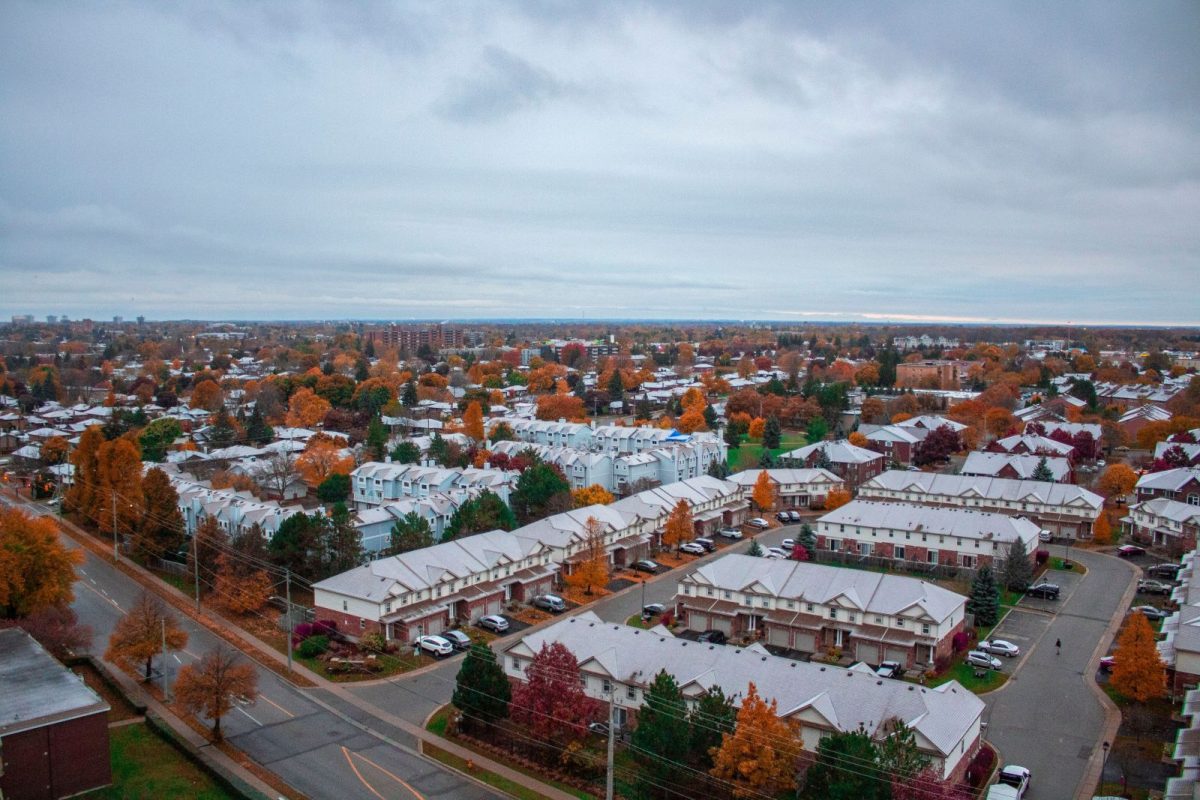
The Latin American Investor’s Guide to US Real Estate: Stability, Dollar Income, and the Miami Gateway

Latin American investor exploring US real estate opportunities in Miami for wealth preservation and dollar-based income

Why US Real Estate Is the #1 Wealth Preservation Tool for Latin American Investors

For investors across Latin America Brazil, Colombia, Argentina, Mexico, Chile, Peru, and beyond US real estate is not an investment opportunity. It is a survival strategy.

The countries of Latin America have produced more currency crises, political instability events, hyperinflation episodes, and capital control regimes than any other comparable region in the world over the past 50 years. The Argentine peso has been devalued repeatedly. Brazil's real economy has faced extreme volatility. Venezuela's bolivar has been destroyed. Colombia, Peru, and Chile have faced political upheavals that created overnight capital flight demands.

In every one of these crises, the investors who held USD-denominated US real estate legally, transparently, and with proper ownership documentation preserved their wealth when domestic assets were destroyed. This is not speculation. It is documented history.

US real estate is the Latin American HNW investor's bedrock wealth preservation asset. Every sophisticated Latin American family with meaningful wealth has US real estate as a core component of their portfolio. America Mortgages makes the financing of those acquisitions accessible, streamlined, and intelligent.

Miami: The Latin American Gateway City

Miami is the most important US city for Latin American investors and has been for decades. Miami's:

  • Spanish-language business infrastructure
  • Latin American banking relationships (International private banks, Citibank Latin, BBVA, Banco Itaú)
  • Direct flight connectivity to every major Latin American city
  • Cultural familiarity food, language, community, climate
  • 0% Florida state income tax
  • Strong rental demand from Latin American diaspora

Miami is the first choice. Brickell for urban investment. Coral Gables for family residential. South Beach for STR. Miami Beach luxury for capital preservation.

Brazil: The Largest Latin American Investment Force

Brazilian investors have been among the most active international buyers of US real estate for 20+ years. Brazil's UHNW population is sophisticated, US-connected, and deeply familiar with the case for USD diversification from BRL exposure.

The BRL/USD dynamic: Brazil's real has historically lost value against the dollar over long periods, with periods of severe volatility (2014–2016, 2020). Brazilian investors who moved capital to USD real estate during BRL strength periods have consistently outperformed those who remained exclusively in BRL assets.

Brazilian documentation for DSCR: Brazilian bank statements from Itaú, Bradesco, Banco do Brasil, Santander Brasil accepted. Portuguese-language documents require certified translation. Some programs accept Brazilian credit bureau (Serasa/Boa Vista) references.

DSCR terms: Standard foreign national program. 25–30% down. 6.875%+ rate. 30-year fixed.

Colombia, Mexico, Chile, Peru: The Growing Middle Tier

Each of these countries has produced a growing class of US real estate investors, typically concentrated in Miami but expanding to Texas, Georgia, and beyond.

Mexico: Long-established US real estate investment tradition, particularly in Texas border markets, California, and Florida. Mexican investors are among the most knowledgeable foreign buyer groups having navigated the US purchase process across generations.

Colombia: Bogotá's professional class lawyers, doctors, tech entrepreneurs, finance professionals has become an active Miami buyer group. Direct Avianca and LATAM flights make Miami a second-city for many Colombians.

Chile and Peru: More recently active but growing. Chilean investors in particular are known for financial sophistication and long-term investment orientation.

DSCR Financing for Latin American Investors

Key documentation points for Latin American investors:

Wire transfer documentation: Many Latin American countries have capital control reporting requirements (Brazil's BACEN reporting, Colombia's DIAN, Mexico's SAT). America Mortgages advises on the US side documentation; local tax advisors handle the origin country reporting.

Source of funds: KYC/AML requirements for US lenders from Latin American clients require clear source of funds documentation. Legal business income, property sale proceeds, and verifiable investment account liquidations are the cleanest sources. America Mortgages' compliance team has extensive experience with Latin American source of funds documentation.

Account seasoning: Down payment funds should be in the same account for 60+ days before application. If funds are to be remitted from Latin America, plan the transfer timeline accordingly.

Currency conversion: BRL, COP, MXN, CLP funds are converted to USD at current exchange rate for qualification. No requirement for funds to be held in USD accounts prior to application (though USD accounts accelerate processing).

LLC structure strongly recommended: For all Latin American investors, holding US real estate through a US LLC reduces US estate tax exposure and provides legal separation of assets. Contact America Mortgages for US LLC formation guidance.

Frequently Asked Questions

Q1: I am a Brazilian citizen. Do I need to declare my US property purchase to the Brazilian Central Bank (BACEN)?

A: Yes. Brazilian residents are required to report overseas assets (including real estate) to BACEN annually if the total exceeds a certain threshold. Consult a Brazilian tax attorney for specific requirements.

Q2: Can I transfer funds from a Panama or Cayman offshore account for a US purchase?

A: Offshore account funds are generally acceptable with proper documentation of the account's origin and the funds' source. KYC/AML requirements are heightened for offshore account sources. America Mortgages' compliance team has experience with this documentation.

Q3: I am a Mexican national with some US banking history. Does this help?

A: Yes. Existing US banking relationships, US credit activity (even through an ITIN), and prior US financial footprint strengthen a DSCR application and may enable access to more programs.

Contact America Mortgages

Website: AmericaMortgages.com | GMG.asia
US: +1 830-217-6608
Singapore: +65 8430-1541
Email: [email protected]
Call: +1 (845) 583-0830
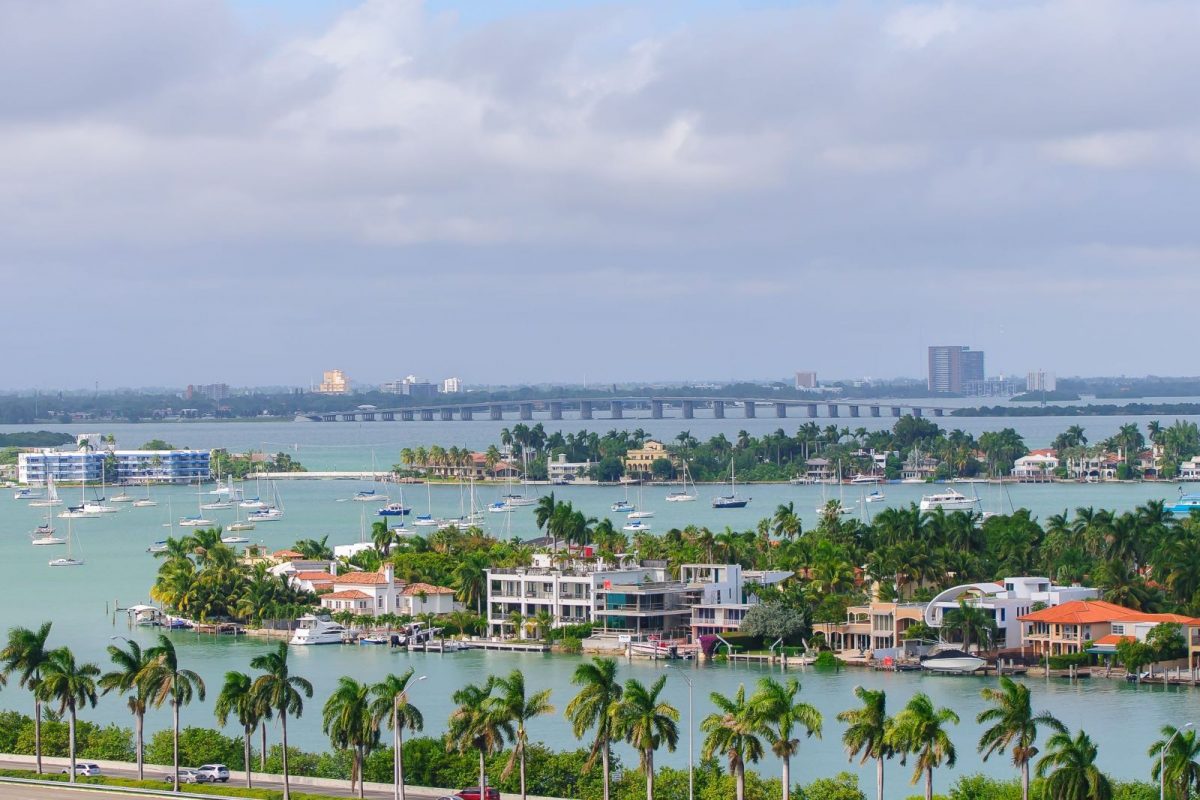
The U.S. Domestic Investor’s DSCR Loan Guide: America Mortgages Now Serves U.S.-Based Real Estate Investors

U.S. real estate investor reviewing DSCR loan options, rental property financing, and portfolio growth opportunities

A New Chapter for America Mortgages

For years, America Mortgages has been the world's leading mortgage specialist for foreign nationals and US expats investing in US real estate. In 2026, we are expanding our service to include US-based domestic investors, American citizens and residents seeking DSCR investment property financing with access to our full platform of 150+ lender programs.

If you are a US real estate investor, self-employed, full-time investor, or W-2 employee building a rental portfolio, America Mortgages now has a DSCR program for you.

This is not a minor addition. This is a full program expansion that brings every competitive advantage we've built for international investors directly to the domestic market:

  • 150+ US lender programs (vs. 1 program at most direct lenders)
  • $100,000 minimum loan (vs. $150,000–$300,000 minimums at most programs)
  • 80% LTV 20% down payment (matching the most aggressive domestic DSCR programs)
  • Domestic rates from 6.12% competitive with or better than Griffin Funding, HomeAbroad, and every other domestic competitor
  • No income verification property cash flow qualifies
  • All property types: SFR, 2–4 unit, condominiums, STR, portfolio
  • Self-employed, W-2, complex income all eligible

Why US Domestic Investors Choose DSCR Loans

The Conventional Mortgage Limitation

Every US real estate investor eventually hits the same wall:

You have a full-time job or a business generating good income. You've purchased 2–3 properties with conventional mortgages. Now you apply for Property 4. The bank runs your DTI (debt-to-income ratio). Your existing mortgages, your car, your other debts they all count against you. The bank says you're "maxed out." You can't borrow any more.

But you have $80,000 in equity in an existing property. And you've found a $320,000 Nashville duplex that will generate $2,800 per month in rent comfortably above its $2,100 PITIA at 80% LTV.

The conventional mortgage system says no because it's calculating your personal debt burden, not the property's income.

The DSCR loan says yes because the property's $2,800 rent divided by $2,100 PITIA equals a 1.33 DSCR. The property qualifies on its own income. Your personal DTI is irrelevant.

The Self-Employed Investor's Problem Solved

If you run a business, your tax returns are optimised for tax efficiency not mortgage qualification. Depreciation, business deductions, pass-through losses, and vehicle expenses reduce your taxable income to a fraction of your economic income.

The bank sees low taxable income. It offers you a mortgage based on that low number.

The DSCR loan sees the property's rent. The $280,000 duplex generating $2,500/month in rent qualifies based on rental income not what your Schedule C says. Your tax optimization strategy doesn't hurt you anymore.

America Mortgages DSCR Program for US Domestic Investors

Program Terms

FeatureProgram Details
Minimum loan$100,000
Maximum LTV80% (purchase and rate/term refinance)
Cash-out refinance LTV75%
DSCR minimum1.0 (some no-ratio programs available)
Rate (30-year fixed)From 6.12% (well-qualified domestic)
Rate (5/1 ARM)From 5.50%
Rate (STR DSCR)From 6.75%
Rate (interest-only)From 6.50%
Minimum credit score620 (domestic programs); 660+ for best pricing
Income documentationNone (property income qualifies)
LLC/entityAccepted
Portfolio concentrationUnlimited through 150+ program access

Why 150+ Programs Changes Everything

Most DSCR lenders Griffin Funding, Visio, Kiavi, Lima One, Defy Mortgage are single-lender platforms. They have one set of guidelines. When your deal doesn't fit their box, you're declined.

America Mortgages has 150+ lender programs. When Deal A doesn't fit Program 1, it may perfectly fit Program 37. When your condotel doesn't qualify with one lender, another in our panel accepts it. When your DSCR ratio is 0.92, we have programs that accommodate it with appropriate equity. When your property is in a rural zip code that one lender won't touch, another will.

This is the structural advantage of a broker with institutional program access over a direct lender with a single buy box.

The Self-Employed Real Estate Investor America Mortgages' Sweet Spot

The archetypal American real estate investor in 2026:

  • Owns 3–8 rental properties
  • Runs a business (construction, consulting, e-commerce, service industry)
  • Tax returns show $40,000–$80,000 in taxable income after aggressive deduction
  • Real economic income: $200,000–$400,000
  • Conventional lenders: "We can lend you $300,000 based on your income"
  • Reality needed: $1.2 million in additional investment property debt

America Mortgages' DSCR solution:

  • Each property qualifies on its own rental income
  • No personal DTI calculation
  • No tax return income review
  • Portfolio distributed across 5 lender programs if needed
  • Maximum borrowing capacity: determined by property cash flow, not personal income

The US Investor's DSCR Market Selection Guide

For US domestic investors, the best DSCR markets are identical to those recommended for international investors but the financing terms are better:

Memphis, Tennessee: $130,000–$200,000. Gross yield 9–12%. At 6.25% DSCR rate, monthly PITIA on $160,000 property (80% LTV, $128,000 loan): ~$988. Market rent: $1,350. DSCR: 1.37. Net monthly cash flow: ~$175 after management. Cash-on-cash return on $32,000 invested: 6.6% Year 1 (before appreciation).

Nashville, Tennessee: STR premium. $300,000–$420,000. DSCR with STR income: 1.5–2.5 at 80% LTV. STR net yield 12–16%.

Phoenix, Arizona: $320,000–$480,000. Gross yield 7–9%. DSCR at 80% LTV, 6.25%: 1.05–1.20.

Dallas-Fort Worth, Texas: $250,000–$380,000. Gross yield 7–9%. Corporate economy tenant base. DSCR 1.08–1.25.

The US Investor's Bridge-to-DSCR Playbook

For US domestic investors pursuing off-market, distressed, or value-add acquisitions:

Step 1 Acquisition Bridge: America Mortgages' institutional bridge loan acquires the property fast (8–21 days). No income documentation. Asset-based. For US domestic investors: $100,000 minimum. Up to $75M.

Step 2 Value-Add Period: Renovate, stabilise tenants, establish rental income documentation.

Step 3 DSCR Refinance: Once 12 months of rental income is established, refinance into a 30-year DSCR loan at a rate reflecting the property's stabilised income.

The entire process bridge to DSCR managed by one company, without documentation restart, without lender change, without execution risk.

Frequently Asked Questions

Q1: I already have 6 conventional mortgages. Can I still get DSCR loans?

A: Yes. DSCR loans are not subject to Fannie Mae's 10-financed-property limit. America Mortgages accesses programs with no hard portfolio limit.

Q2: What is the minimum credit score for the domestic DSCR program?

A: 620 minimum for most programs. Best pricing at 700+.

Q3: Can I get a DSCR loan on a property I've already improved and leased?

A: Yes. A DSCR refinance on a stabilised rental property is one of the most common transactions. Cash-out refinance available at 75% LTV.

Q4: How is America Mortgages different from Griffin Funding or Visio Lending for domestic investors?

A: 150+ programs vs. single-lender. $100,000 minimum vs. higher floors. Full bridge product alongside DSCR. Superior complexity handling for self-employed and portfolio investors.

Contact America Mortgages

Website: AmericaMortgages.com | GMG.asia
US: +1 830-217-6608
Singapore: +65 8430-1541
Email: [email protected]
Call: +1 (845) 583-0830

U.S. Dollar, Safe Haven, and the Currency Case for Every Global Investor: Why USD Real Estate Is Your Most Powerful Wealth Hedge

Global investor reviewing U.S. real estate, USD-denominated assets, currency diversification, and DSCR mortgage opportunities

The Reserve Currency Reality Every Investor Must Understand

Every currency in the world from the strongest Swiss franc to the most volatile emerging market peso can lose value against the US dollar. History provides endless examples. The question for any international investor holding significant wealth in a non-USD currency is not whether their currency will depreciate against the USD. It is when and by how much.

US real estate is the most powerful, legally protected, income-generating USD-denominated asset available to private investors anywhere on earth. This article makes the case not with marketing language, but with data.

The Depreciation Events That Changed Portfolios

Singapore Dollar: Steady But Never Safe From USD

SGD has been one of the world's most managed and stable currencies. Yet between 2014 and 2024, SGD weakened approximately 8% against the USD cumulatively. For a Singaporean with SGD $5 million in assets, that's SGD $400,000 in effective wealth destruction measured against USD-denominated purchasing power.

The Singaporean investor who held $1 million in US real estate during the same period received:

  • 8% currency appreciation in SGD terms: SGD $80,000 bonus
  • Property appreciation (Miami example, 7% CAGR): $1M → $1.97M
  • Total SGD-equivalent return premium vs. SGD assets: Substantial

British Pound: The Brexit Lesson

On June 23, 2016, the UK voted for Brexit. The pound fell 13% against the USD overnight, the largest single-day currency move in modern UK history. UK investors holding US real estate woke up 13% wealthier in GBP terms on June 24.

GBP has never fully recovered to pre-Brexit levels. UK investors with US real estate exposure received a permanent windfall from the currency shift.

Australian Dollar: The COVID-19 Test

In March 2020, at the height of COVID-19 market panic, AUD fell to $0.55 against USD, a 15% decline from $0.65 in two months. Australian investors with US real estate saw their USD assets appreciate 15% in AUD terms during the crisis exactly when they needed stability most.

Indian Rupee: The Persistent Decline

INR has declined from approximately 45 INR/USD in 2010 to approximately 83 INR/USD in 2025 a 45% depreciation over 15 years. An Indian investor who purchased $500,000 in US real estate in 2010 has seen the INR value of that holding increase from INR 22.5 million to INR 41.5 million purely from currency movement, before any property appreciation.

The USD's Structural Durability

Critics periodically announce the end of USD dominance. The reality of 2026:

  • 58% of global FX reserves held in USD (BIS 2025)
  • All major commodity markets (oil, gold, copper, wheat) priced in USD
  • Global trade finance predominantly USD-denominated
  • US Treasuries remain the world's primary risk-free asset
  • The US economy at $28 trillion remains the world's largest by GDP

No alternative reserve currency, not EUR, CNY, or a hypothetical BRICS currency has achieved the institutional depth, legal framework, or market trust required to displace the USD. The USD's reserve status is structural, not cyclical.

For investors holding USD-denominated US real estate: this structural position is your tailwind.

The Fixed-Rate DSCR Loan: The Currency Hedge Multiplier

Here is the most sophisticated dimension of the US real estate currency hedge story:

When an international investor takes a 30-year fixed-rate DSCR loan at 7.25% in USD:

  1. Their financing cost is fixed in USD for 30 years
  2. Their rental income is in USD matching their financing currency (no mismatch)
  3. Their property equity is in USD appreciating at historical 4–7% CAGR
  4. When their home currency weakens against USD (as all currencies eventually do), their USD income stream becomes more valuable in home currency terms
  5. Their USD equity position becomes a larger portion of their total wealth automatically rebalancing toward USD exposure when they need it most

This is a multi-dimensional hedge: against home currency weakness, against domestic political risk, and against the limitations of any single-market wealth concentration.

The Financing Section: DSCR Loans as the USD Wealth-Building Vehicle

America Mortgages provides the financing infrastructure that makes this USD wealth strategy accessible to investors worldwide:

For every $100,000 invested (20% down at 80% LTV):

  • You control a $500,000 US real estate asset
  • The asset generates USD rental income servicing its own USD debt
  • You have $400,000 in USD debt that inflates away over time
  • You have $100,000 in initial USD equity growing at 4–7% annually
  • The leverage ratio (5:1) amplifies every dollar of appreciation and income

At $100,000 minimum loan meaning $25,000 down payment controls a $125,000 asset:

Even the most accessible entry point provides the same structural currency hedge at a scale appropriate for a wide range of international investors.

America Mortgages' specific terms:

  • $100,000 minimum loan
  • 80% LTV maximum
  • No US credit required
  • No US income documentation
  • 30-year fixed rate locking USD financing cost for three decades
  • Available to all nationalities across 57 countries

The One Portfolio Allocation Every Sophisticated International Investor Should Make

Every institutional portfolio manager in the world holds some allocation to USD-denominated assets. The most sophisticated individuals do too.

US real estate is the private investor's institutional-grade USD allocation combining:

  • Hard asset protection (inflation hedge)
  • USD denomination (currency hedge)
  • Rental income (yield)
  • Leverage (DSCR financing)
  • Appreciation (long-term capital growth)
  • Legal protection (constitutional property rights)

The question is not whether to hold US real estate. The question is how much, in which market, with what financing structure.

America Mortgages answers all three from $25,000 in initial capital, from any country on earth, with the most competitive programs available to any international investor.

Frequently Asked Questions

Q1: Is USD guaranteed to remain the reserve currency?

A: No guarantee exists in finance. But USD's structural position, 80 years of reserve currency status, $28T economy, deepest capital markets, and military global presence has never been stronger relative to alternatives. The risk of USD displacement in the next 10–20 years is considered extremely low by every major institutional investor.

Q2: Should I hedge my USD real estate exposure back to my home currency?

A: Most investors do not because the USD exposure is the hedge. Converting USD income back to your home currency eliminates the very diversification benefit the investment provides. Work with an FX specialist for your specific situation.

Q3: What if the USD weakens when I want to sell?

A: USD weakness creates USD-denominated US real estate discounts for buyers in stronger currencies which historically increases international demand and supports prices. Moreover, a long-term hold strategy minimises exposure to any single exchange rate moment.

Contact America Mortgages

Website: AmericaMortgages.com | GMG.asia
US: +1 830-217-6608
Singapore: +65 8430-1541
Email: [email protected]
Call: +1 (845) 583-0830

The Short-Term Rental (Airbnb) DSCR Loan Guide for International Investors: From Miami Beach to Nashville, Scottsdale to Hawaii

International investor reviewing Airbnb investment properties, short-term rental income, and DSCR mortgage financing in the United States

The Yield Premium That Changes the Investment Math

Long-term rental DSCR in Memphis: 9–12% gross.

Short-term rental DSCR in Nashville: 12–18% gross.

Short-term rental DSCR in Miami Beach: 14–22% gross.

Short-term rental DSCR in Scottsdale: 12–17% gross (peak season premium).

The short-term rental model Airbnb, VRBO, and professional vacation rental management transforms already-compelling US rental yields into extraordinary income streams that no other global real estate market can match.

For international investors, the STR model offers something additional: flexibility of personal use. Unlike a long-term leased property, a professionally managed STR can be blocked for the owner's personal use during visits. Your investment property becomes your American holiday home during the periods you choose.

How STR DSCR Loans Work: The Qualification Difference

Standard DSCR loans use long-term market rent (from the property appraiser's rent schedule) to calculate the DSCR ratio.

STR DSCR loans use projected short-term rental income from one of two sources:

AirDNA market data: AirDNA is the industry-standard analytics platform providing average nightly rates, occupancy rates, and annual revenue projections for every US zip code. A STR-specific DSCR underwriter uses AirDNA to project the property's annual STR income as a substitute for long-term rent.

Historical STR income: For properties already operating as Airbnb/VRBO, 12 months of documented STR income (platform earnings reports + bank deposit statements) provides the actual income history for DSCR calculation.

Why this matters: A Nashville property with a long-term market rent of $2,200/month may generate $4,800/month in STR income during peak festival season and $3,200/month on an annualised basis. The STR DSCR qualification uses the $3,200 figure, nearly doubling the qualifying DSCR ratio and enabling higher LTV or better terms.

STR DSCR Program Parameters at America Mortgages

  • Minimum loan: $100,000
  • Maximum LTV: 75–80% (slightly lower on some STR programs vs. long-term rental DSCR)
  • Income qualification: AirDNA market data or 12 months historical STR income
  • Rate: From 7.25% (slightly above LTR DSCR; reflecting STR income variability)
  • Reserve requirement: 9–12 months (higher than LTR due to seasonality)
  • Eligibility: Available to both foreign nationals and US domestic investors
  • Property type: Single-family, condominiums (must allow STR per HOA — verified before application)
  • No US credit required: International investors fully eligible

The Best STR Markets in 2026: Ranked for International Investors

#1: Nashville, Tennessee

Nashville is the undisputed #1 STR market in the US for 2026.

The data:

  • Annual visitors: 16.5 million in 2025
  • Bachelorette/bachelor party capital of the US: Year-round demand
  • Average STR occupancy: 76–83%
  • Average nightly rate (3-bed house): $280–$420
  • Annual gross revenue (3-bed, prime location): $78,000–$130,000
  • Property cost (investment grade, 3-bed): $320,000–$480,000
  • Gross STR yield: 16–27%

For an international investor at 80% LTV ($256,000–$384,000 loan at 7.25%): Monthly PITIA approximately $1,750–$2,620. Monthly STR income (annualised): $6,500–$10,800. DSCR: 3.2–4.1. Extraordinary.

#2: Miami Beach, Florida

Miami Beach generates some of the highest absolute STR income in the US. South Beach and Mid-Beach condominiums with ocean views command premium nightly rates year-round from domestic and international guests.

  • 1-bedroom South Beach condo: $380,000–$550,000
  • Average STR nightly rate: $200–$350
  • Occupancy: 75–82%
  • Annual gross revenue: $54,000–$105,000
  • Gross STR yield: 13–22%

STR permits required in Miami Beach verify permit status before purchase. America Mortgages advises on STR permit status by property address.

#3: Scottsdale, Arizona

Scottsdale's upscale resort market draws luxury winter visitors from the US, Canada, and internationally (particularly UK and European visitors seeking US sun during northern hemisphere winter).

  • 3-bed luxury home near Old Town or resort corridor: $600,000–$900,000
  • Peak season (November–April) nightly rate: $350–$650
  • Occupancy across the full year: 65–72%
  • Annual gross revenue: $85,000–$170,000
  • Gross STR yield: 13–19%

#4: New Orleans, Louisiana

New Orleans' Mardi Gras, Jazz Fest, and year-round festival culture creates remarkably consistent STR demand. The historic Garden District and French Quarter proximity commands premium rates.

  • 2-bed historic shotgun house near major attractions: $280,000–$400,000
  • Average STR nightly rate: $180–$280
  • Occupancy: 72–79%
  • Annual gross revenue: $47,000–$81,000
  • Gross STR yield: 14–22%

#5: Savannah, Georgia

Savannah's historic district is an underrated STR gem. Lower entry prices than Miami or Scottsdale, beautiful Antebellum architecture, and year-round tourism driven by its status as one of the US's most beautiful historic cities.

  • 2-bed historic home, downtown: $350,000–$550,000
  • Annual gross STR revenue: $55,000–$95,000
  • Gross STR yield: 14–18%

#6: Mountain Resort Markets (Aspen, Vail, Park City, Breckenridge)

Mountain resort properties offer the highest absolute nightly rates in the US STR market peak ski season rates of $500–$3,000+ per night for premium properties. Seasonality is more pronounced, but gross yields remain extraordinary.

  • Aspen 3-bed condo (ski-in/ski-out): $2.5M–$8M+. Peak week rate: $5,000–$15,000/night. Niche but exceptional for HNW investors.
  • Park City, Utah 3-bed: $1.2M–$2.5M. Annual gross: $200,000–$400,000. Yield: 14–18%.
  • Breckenridge 2-bed condo: $600,000–$900,000. Annual gross: $85,000–$140,000. Yield: 13–17%.

Note: Mountain resort STR programs have higher entry costs. America Mortgages bridges the gap between acquisition speed and DSCR refinancing for resort market investors.

STR Regulatory Navigation: The Must-Know Before You Invest

Not all US markets allow short-term rentals freely. Before any STR-intended purchase:

STR-friendly (verified 2026):

Nashville, Scottsdale, New Orleans, Savannah, Memphis (most zones), Jacksonville FL, San Antonio TX, Colorado resort markets (Breckenridge, Steamboat Springs, Vail with registration), Tennessee generally.

Restricted/Verify carefully:

New York City: 30-day minimum for unhosted rentals (effectively bans most STR).

Los Angeles: Primary residence requirement for STR license (owners must live there).

San Francisco: Primary residence requirement, strict permit limits.

Santa Monica, CA: Very limited STR allowance.

Miami Beach: STR permitted with annual permit in most zones. Verify specific address.

America Mortgages pre-screens STR regulatory status for every target market before processing an STR DSCR application preventing investors from financing a property in a market where the STR strategy is legally unavailable.

The STR Management Stack for Remote International Investors

Running a successful US STR from Singapore, London, or Dubai requires the right infrastructure:

Tier 1 Property Management: Full-service STR management companies (Vacasa, Turnkey, or local specialists) handle listing, guest communication, cleaning coordination, maintenance, and dynamic pricing for 20–30% of gross revenue.

Tier 2 Dynamic Pricing: PriceLabs or Wheelhouse automatically adjust nightly rates based on local demand signals, events calendars, and competitor pricing. Critical for maximising revenue.

Tier 3 Channel Management: Hospitable or Guesty sync your listing across Airbnb, VRBO, Booking.com, and direct booking channels simultaneously.

With this stack in place, a Singapore-based investor owns a Nashville Airbnb with less daily oversight than a traditionally managed long-term rental property.

Frequently Asked Questions

Q1: Can I use AirDNA projections if the property has never been an Airbnb?

A: Yes. AirDNA market data for your specific property address can be used for DSCR qualification without any existing STR history.

Q2: Is there a minimum historical STR income period needed?

A: For historical income documentation, most programs require 12 months of STR income statements. For new STR acquisitions, AirDNA projections substitute.

Q3: What is the STR permit situation in Nashville specifically?

A: Nashville requires an owner-occupancy license for owner-present STRs and a non-owner-occupancy license for non-resident investors. The non-owner license requires a community impact statement and is subject to a cap system. America Mortgages advises on current permit availability by property address before application.

Contact America Mortgages

Website: AmericaMortgages.com | GMG.asia
US: +1 830-217-6608
Singapore: +65 8430-1541
Email: [email protected]
Call: +1 (845) 583-0830

The Japanese Investor’s Guide to U.S. Real Estate: Escaping Near-Zero Yields With a DSCR Mortgage

Japanese investor reviewing U.S. real estate opportunities, DSCR mortgage financing, and American investment property markets in 2026

Japan's Yield Dilemma And the American Solution

Japan has maintained near-zero or negative interest rates for most of the past 25 years. Japanese investors in domestic real estate face:

  • Tokyo residential gross yields: 3.5–5% (central wards). Net after management and taxes: 2–3.5%.
  • Japanese Government Bond yields: Historically below 1%, rising modestly in 2024–2025 but still well below US rates
  • JPY weakness against USD: The yen has declined approximately 35% against the USD over the past 5 years making USD-denominated investments significantly more valuable for Japanese investors who have held them

The Japanese investor who purchased Miami real estate in 2019 at $400,000 has experienced:

  • $400,000 × 5-year Miami appreciation (~40%) = $560,000 property value
  • JPY/USD appreciation (yen weakness): The same $560,000 is now worth 35% more in JPY terms
  • 7% annual rental yield = $28,000 USD annually × 5 years = $140,000 in total rental income
  • Total JPY-denominated wealth creation: extraordinary.

Why Japanese Investors Are Particularly Well-Positioned for US Real Estate

The yen carries trade residue: Many Japanese institutional and HNW investors have USD exposure through various instruments. US real estate is a logical extension adding direct ownership and income to existing dollar allocations.

Japan's aging real estate market: Japan's demographic decline (falling population) creates structural headwinds for domestic real estate appreciation in many regions. US population growth and urbanisation provide the opposite dynamic.

Japanese institutional model: Japan's major institutional investors (GPIF, Japanese life insurers) are among the world's most significant buyers of US Treasuries and US real estate assets. Individual Japanese investors are following the institutional model at a personal level.

Low-cost JPY capital: While Japanese lending for US real estate isn't directly available, JPY-denominated liquidity can be converted to USD for US down payments at a cost that reflects the yen's carry dynamics often favourable for US investment.

Best US Markets for Japanese Investors

Hawaii: The most Japan-connected US real estate market. Japanese tourism to Hawaii is historic and substantial. Honolulu, Maui, and Kauai have established Japanese-American communities and Japanese tourist visitor demand that supports strong STR performance.

Los Angeles: Large Japanese-American community in Torrance, Gardena, Little Tokyo. Direct JAL and ANA flights from Tokyo to LAX. The Japanese business community is well-established in the LA market.

Las Vegas: Japanese investment interest in Las Vegas hospitality and residential real estate. Direct flights from Tokyo. STR opportunity.

Honolulu/Oahu: First stop on the Japan-US investment corridor. Established market for Japanese buyers. Strong appreciation record.

DSCR Financing for Japanese Investors

Japanese bank documentation accepted: Statements from Mitsubishi UFJ Financial Group, Sumitomo Mitsui, Mizuho, Resona, and other major Japanese banks are accepted with certified translation.

JPY reserve conversion: Japanese reserves in JPY accounts (converted to USD at current exchange rate) are accepted for DSCR reserve qualification.

Language support: America Mortgages can coordinate with Japanese-speaking advisors for clients who prefer Japanese language communication at key stages of the process.

DSCR terms: From 6.875% (30-year fixed). 25–30% down payment. No JPY income documentation required.

The JPY/USD dynamic in DSCR: Japanese investors borrowing in USD and earning USD rental income have a natural income hedge they are borrowing and earning in the same currency. When JPY weakens further against USD (as many analysts project), their USD income becomes worth more in JPY terms as an additional bonus.

Frequently Asked Questions

Q1: Are Japanese banks able to provide USD mortgages for US property?

A: Major Japanese banks have US subsidiaries that occasionally provide financing for US real estate, but programs are limited and typically require strong existing banking relationships. DSCR programs through America Mortgages provide more accessible, flexible, and consistently available financing.

Q2: What is the Japanese tax treatment of US rental income?

A: Japanese residents are generally taxed on worldwide income, including US rental income. The Japan-US tax treaty reduces the risk of double taxation. A Japanese tax professional specialising in overseas investment income should be consulted.

Q3: Can I use my Japan Post Bank or Japan Agricultural Cooperative (JA Bank) savings for a US down payment?

A: These institutions are less familiar to US mortgage underwriters. Statements from major commercial banks (MUFG, SMBC, Mizuho) are preferred. For JA Bank or Japan Post savings, supplementary documentation may be required.

Contact America Mortgages

Website: AmericaMortgages.com | GMG.asia
US: +1 830-217-6608
Singapore: +65 8430-1541
Email: [email protected]
Call: +1 (845) 583-0830

U.S. Real Estate and the USD Safe Haven: Why Currency Diversification Makes U.S. Property Non-Negotiable for Global Investors

Global investor analyzing U.S. real estate, USD-denominated assets, currency diversification, and DSCR mortgage financing

The Currency Diversification Imperative

Every investor with significant wealth held in a single currency whether that currency is SGD, GBP, AUD, EUR, INR, HKD, or AED faces a fundamental concentration risk that is almost universally underappreciated: their wealth is denominated in a currency that could weaken, inflate, or in extreme cases, collapse.

This is not a theoretical risk. It is the lived experience of every country whose currency has faced a significant devaluation event:

  • Malaysia (1997–98): The MYR halved in value against the USD during the Asian Financial Crisis. Investors with USD-denominated assets preserved wealth. Those with only MYR assets saw their real wealth collapse.
  • Indonesia (1997–98): The IDR fell 80% against the USD at the worst of the crisis.
  • UK (2016): GBP fell 13% against USD immediately following the Brexit referendum.
  • Australia (2020): AUD fell 15% against USD in the COVID-19 crisis period.
  • India (2023): INR declined to record lows against USD.

In every one of these events, investors holding USD-denominated US real estate experienced a windfall: their assets, measured in their home currency, had automatically appreciated simply because the USD maintained its value while the home currency fell.

This is not speculation. It is the structural insurance that USD-denominated assets provide.

Why the USD Is the World's Reserve Currency And Why It Matters to You

The US dollar has been the world's primary reserve currency since the Bretton Woods agreement of 1944. In 2026, it remains dominant:

  • 58% of global foreign exchange reserves are held in USD (BIS data, 2025)
  • International commodity markets oil, gold, agricultural commodities are priced in USD
  • Global trade finance is predominantly USD-denominated
  • US Treasury bonds are the world's primary "risk-free" asset

What does this mean for the investor holding US real estate?

It means their asset is denominated in the currency that the entire world treats as its financial safety net. When global uncertainty rises, when wars break out, when banking crises emerge, when political instability threatens capital flows toward USD assets. US real estate, as a hard USD-denominated asset with income, is one of the direct beneficiaries of this flight to safety.

No other real estate market benefits from this reserve currency flight-to-safety dynamic.

The Portfolio Diversification Mathematics

Consider an investor with SGD 2 million in wealth, currently 80% in Singapore assets (property, equities, CPF) and 20% in global equities:

Scenario A (No US real estate):

If SGD weakens 10% against USD: Portfolio loses ~10% of its real value in USD terms (the global measure of wealth). The investor's Singapore property, equities, and CPF are all denominated in SGD all affected simultaneously.

Scenario B (With US real estate):

Same SGD 2 million, but 30% ($600,000 SGD equivalent) in a US investment property generating 7% USD yield. If SGD weakens 10% against USD: The US property component now worth 10% more in SGD terms partially offsets the portfolio impact. The investor's dollar-denominated US property income has also increased in SGD terms.

This is real diversification. Not diversification between Singapore equities and Singapore bonds but diversification between currencies, between jurisdictions, between legal systems, and between economic cycles.

The Inflation Hedge: US Real Estate vs. Cash

For investors sitting on significant cash reserves in any currency, the choice between cash and US real estate has never been clearer:

Cash in any currency:

  • Zero real return (often negative after inflation)
  • Full exposure to currency devaluation
  • No asset appreciation
  • No income

US real estate financed with a DSCR mortgage:

  • Gross rental income: 6–10% in cash flow markets
  • Financing at: 6.875% (DSCR 30-year fixed)
  • Net yield after financing: positive cash flow
  • USD appreciation benefits: automatic
  • Inflation hedge: US real property values have historically exceeded inflation
  • Leverage benefit: 25% down controls 100% of the asset's appreciation

There is no scenario in which holding cash in a depreciating currency is superior to owning a cash-flow-positive US real estate asset financed at a fixed USD rate.

The Financing Section: DSCR Loans as a Currency Hedge Tool

The DSCR loan is not just a mortgage. It is a currency diversification instrument:

When an investor in Singapore, Malaysia, or India takes a 30-year fixed DSCR loan in USD at 6.875%, they are:

  1. Locking their financing cost in USD for 30 years immune to interest rate changes in their home market
  2. Creating USD income (rent) to service USD debt a natural hedge with no currency mismatch
  3. Accumulating USD equity as the property appreciates and the mortgage amortises
  4. Building a USD-denominated balance sheet that appreciates against their home currency in devaluation scenarios

This is a sophisticated financial structure. It is exactly the structure that global family offices and institutional investors use for cross-border real estate allocation. America Mortgages makes it available to any qualified international investor regardless of their nationality, income structure, or financial institution relationships.

America Mortgages DSCR terms:

  • 30-year fixed rate from 6.875%
  • Rate locked for life of loan no USD interest rate risk after closing
  • Rental income in USD services USD debt no currency mismatch
  • Down payment from foreign currency account (25–30%)
  • Available to investors in all 57 countries where GMG operates

Frequently Asked Questions

Q1: If I invest in US real estate, should I worry about USD weakness?

A: The USD has been the world's reserve currency for 80 years and shows no structural sign of losing this status. Short-term USD weakness (as seen in 2025) has historically been followed by recovery. For a long-term (10+ year) US real estate investor, short-term currency fluctuations are immaterial relative to total return from appreciation, income, and equity accumulation.

Q2: How does the US Fed rate cycle affect my DSCR investment?

A: If you have a 30-year fixed DSCR rate, Fed rate changes don't affect your loan. Your rental income may actually increase during inflationary periods (as rents rise), while your financing cost remains fixed. The fixed-rate DSCR loan is one of the few investments that benefits from mild inflation.

Q3: Should I hedge my USD currency exposure?

A: Most US real estate investors with USD income choose not to hedge, because USD income is inherently a hedge against home currency weakness, the exact risk you're trying to mitigate. Currency hedging costs money and negates the diversification benefit.

Contact America Mortgages

Website: AmericaMortgages.com | GMG.asia
US: +1 830-217-6608
Singapore: +65 8430-1541
Email: [email protected]
Call: +1 (845) 583-0830