How Malaysian nationals, Singapore permanent residents with Malaysian income, and Malaysian investors can access equity from their Singapore property through bridging loans and asset-backed financing
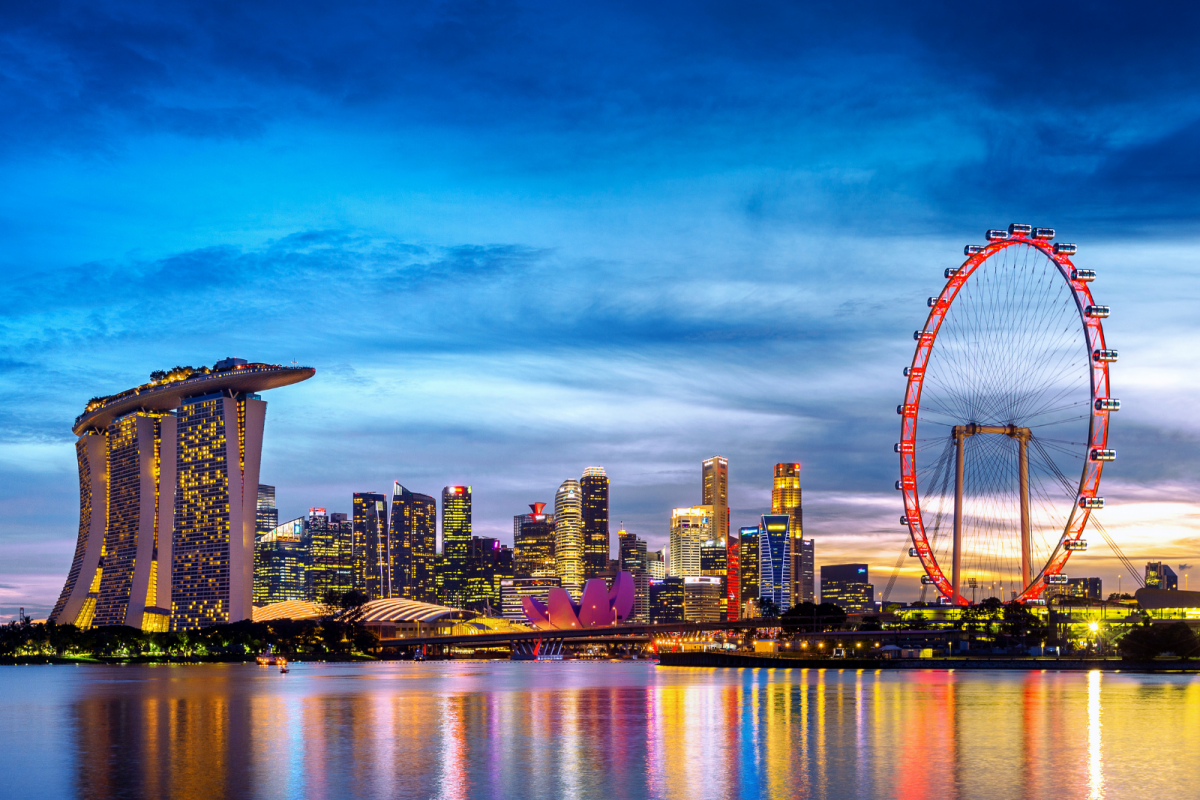
Malaysians are among the largest groups of foreign-born private property owners in Singapore. The relationship between Malaysia and Singapore, shared history, geographic proximity, cultural ties, and the daily movement of hundreds of thousands of people across the Causeway, has created a distinctive pattern of cross-border property ownership that is unique in Southeast Asia. Many Malaysians own Singapore property as permanent residents, as long-term expatriates, or as investors who have never lived in Singapore. For all of these groups, the Singapore property equity release question, how to access the value in that property without selling it, is a real and often urgent one.
The Malaysian Property Owner's TDSR Problem
Malaysian owners of Singapore property face a specific and frustrating version of the TDSR income problem. Even Malaysian permanent residents, individuals who may have lived in Singapore for a decade or more, find that their income, if it is earned from Malaysian-registered businesses or Malaysian corporate employment, attracts the standard 30% foreign income haircut from Singapore banks.
For Malaysian business owners, the most common profile among high-net-worth Malaysian Singapore property owners, the problem is compounded. Income through Malaysian Sdn Bhd companies, Malaysian family business groups, and Malaysian property holding structures is documented through Malaysian financial statements that Singapore banks apply their own assessment criteria to. Director's fees drawn from Malaysian companies attract the 70% TDSR haircut. Retained earnings in Malaysian companies are not counted at all.
The result is that a Malaysian business owner who has lived in Singapore as a permanent resident for fifteen years, owns a landed property in Bukit Timah worth S$6 million, and runs a successful Malaysian business with annual revenues of RM 10 million, can find themselves unable to borrow against their Singapore property because the TDSR calculation based on their Singapore-assessed income fails the 55% threshold.
Malaysian Permanent Residents — A Specific Situation
Malaysian permanent residents occupy an interesting intermediate position in the Singapore property market. They have full access to private property, they can own condominiums, shophouses, and commercial strata units, and if they have been PR for more than five years they can also own most landed property. They pay ABSD at the same rate as Singapore citizens for their first property purchase.
But for equity release purposes, their income situation often resembles that of a non-resident rather than a resident. If the bulk of their income comes from a Malaysian business, a Malaysian employer, or Malaysian investment returns, Singapore banks assess it with the foreign income haircut. The PR status does not improve the income assessment, only the source of the income determines the TDSR treatment.
GMG's asset-backed bridging loan and home equity loan alternative does not apply the foreign income haircut. Assessment is based on the Singapore property's market value and the borrower's exit strategy. Malaysian permanent residents with Malaysian-sourced income who have been declined by Singapore banks are among the most common mandates GMG handles.
The Cross-Border Opportunity — Malaysian and Singapore Property Together
Many Malaysian property owners have assets on both sides of the Causeway, Singapore property as a store of long-term wealth and a hedge against Ringgit depreciation, and Malaysian property as their primary residence and business base. GMG works with Malaysian clients who want to optimise the equity across both portfolios, using Singapore property equity release to fund Malaysian business ventures, or using Singapore equity to fund Malaysian property acquisitions or renovations.
Global Mortgage Group also arranges equity release from Malaysian property for Malaysian nationals, a separate product from the Singapore facility, allowing a Malaysian-domiciled borrower to access capital from both their Malaysian and Singapore real estate portfolios.
Common Use Cases for Malaysian Singapore Property Owners
Business capital from Singapore property
A Malaysian business owner uses equity from their Singapore condominium or shophouse to fund a business acquisition or working capital requirement in Malaysia, without selling the Singapore asset or touching the Malaysian business's existing banking relationships.
Second Singapore property acquisition
A Malaysian permanent resident uses equity from their existing Singapore property to contribute toward the acquisition of a second Singapore property — accessing the Singapore market again without a full liquidation of the existing position.
Johor Bahru corridor investments
Malaysian Singapore property owners who are also investing in the Johor Bahru special economic zone and the RTS Link corridor use Singapore property equity to fund JB-side investments, taking advantage of Singapore property appreciation to fund access to the developing Johor market.
Ringgit hedging and SGD liquidity
A Malaysian business owner with Ringgit exposure uses Singapore property equity release to create a SGD liquidity buffer, accessing capital in a stable currency without reducing their Malaysian business or property exposure.
Frequently Asked Questions for Malaysian Owners
Q1: I am a Malaysian permanent resident in Singapore but my income is from my Malaysian business. Can I get equity release from my Singapore property?
A: Yes, through GMG's asset-backed bridging loan. Singapore banks will assess your Malaysian business income with a 30% foreign income haircut, which may cause your TDSR to fail. GMG's assessment is based on your Singapore property's market value and your exit strategy, not on the TDSR haircut applied to your Malaysian income.
Q2: I am a Malaysian national who owns a Singapore condominium as an investment but does not live in Singapore. Can I access equity release?
A: Yes. GMG provides equity release facilities to Malaysian nationals who own Singapore private property regardless of residency status. Assessment is based on the Singapore property's value and exit strategy. You do not need to be physically present in Singapore for most of the process.
Q3: My Singapore bank applied a 30% haircut to my Malaysian business income. Can GMG lend the full amount I need?
A: GMG's assessment does not apply the 30% foreign income haircut. The primary assessment criterion is the Singapore property's value and the credibility of your exit strategy. Contact Donald Klip to discuss the specific amount and exit plan.
To discuss Singapore property equity release as a Malaysian owner: Donald Klip | Founder | [email protected] | +65 9773-0273 | www.gmg.asia
For Private Bankers, Wealth Managers, and Client Advisors
If you are a private banker, wealth manager, client advisor, relationship manager, financial planner, or wealth planner with a client who owns Singapore property and cannot access equity release, a home equity loan, or a bridging loan through your institution, GMG works discreetly alongside financial professionals to solve exactly this problem.
We offer a formal referral arrangement with referral compensation, and a white-label model where GMG funds the solution while you remain the client's primary relationship. Your client stays your
client. You become the advisor who found the answer their institution could not. Contact Donald Klip directly to discuss a referral or partnership arrangement.
Donald Klip | Founder | [email protected] | +65 9773-0273 | www.gmg.asia
Speak with Donald directly to discuss your Singapore property equity release, home equity loan, or bridging loan requirements. The conversation is confidential and there is no obligation.